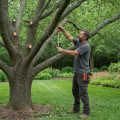
When it comes to maintaining a safe and secure environment around your home, tree safety is a crucial aspect that often goes overlooked. Trees can enhance the beauty of your property, provide shade, and even improve air quality. However, having large branches near your house or driveway can pose significant risks that homeowners should not ignore. Understanding these risks is essential for ensuring the safety of your family and property. Large branches, especially those that are dead or diseased, can become hazardous during storms or high winds.
The potential for falling branches can lead to serious damage to your home, vehicles, or even injury to individuals nearby. Additionally, trees that are too close to structures may interfere with power lines or drainage systems, leading to further complications. By recognizing the importance of tree safety, you can take proactive measures to mitigate these risks. Regular tree maintenance, including pruning and inspections, is vital in preventing accidents and ensuring that your trees remain healthy. Homeowners should be aware of the signs of tree distress, such as cracks in the trunk or excessive leaf drop, which may indicate a need for professional evaluation.
By prioritizing tree safety, you not only protect your property but also contribute to the overall health of your landscape.
Potential Risks of Large Branches Near Your Home
Having a tree with large branches near your home or driveway can pose several risks that homeowners should be aware of. Understanding these potential hazards is crucial for maintaining safety and protecting your property.- Property Damage: One of the most significant risks associated with large branches is the potential for property damage. During storms or high winds, heavy branches can break off and fall onto roofs, vehicles, or fences, leading to costly repairs. Even a small branch can cause significant damage if it strikes a window or damages siding.
- Personal Injury: The risk of personal injury is another critical concern.
If a large branch falls unexpectedly, it can injure anyone nearby, including family members, guests, or even pets. This risk is heightened in areas where children play or where people frequently walk.
- Insurance Implications: Homeowners should also consider the insurance implications of having large branches close to their property. If a branch causes damage to your home or someone else's property, you may face increased insurance premiums or even liability claims. It's essential to check your policy and understand your coverage regarding tree-related incidents.
This includes pruning overgrown branches, removing dead or diseased limbs, and ensuring that trees are healthy and stable. Consulting with a professional arborist can provide valuable insights into the health of your trees and help you make informed decisions about their care.In conclusion, while trees can enhance the beauty of your landscape, large branches near your home or driveway come with inherent risks that should not be overlooked. By being proactive about tree safety, you can protect both your property and the well-being of those who live in or visit your home.
Signs of a Dangerous Tree
Identifying a dangerous tree is crucial for maintaining safety around your home and driveway. Several signs can indicate that a tree may pose a risk, and being aware of these can help you take timely action.- Dead or Dying Branches: One of the most obvious signs of a hazardous tree is the presence of dead or dying branches.
If you notice branches that are brittle, lack leaves, or have fallen to the ground, it’s time to assess the tree's health.
- Leaning Trunks: A tree that leans significantly to one side may be unstable. This can be caused by root damage or soil erosion. If you observe a tree leaning more than usual, especially after heavy rain or wind, it could be at risk of falling.
- Cracks and Splits: Inspect the trunk for any visible cracks or splits. These can weaken the structural integrity of the tree and increase the likelihood of breakage during storms.
- Root Issues: Healthy roots are essential for a tree's stability.
Look for exposed roots, decay, or signs of root rot. If roots are damaged or compromised, the tree may not be able to support itself properly.
- Pest Infestation: Trees infested with pests such as bark beetles or wood-boring insects can become weak over time. Check for holes in the bark or sawdust at the base of the tree as indicators of pest problems.
They can provide expert advice on how to manage any potential risks and ensure your landscape remains safe.
Tree Maintenance and Safety Practices
Maintaining trees near your home or driveway is crucial for ensuring tree safety. Regular inspections and proper care can prevent potential hazards associated with large branches. Here are some essential tree maintenance tips to keep in mind:- Regular Inspections: Conduct visual inspections of your trees at least twice a year. Look for signs of disease, dead branches, or any structural issues that could pose a risk.
- Pruning Trees Safely: Pruning is vital for maintaining tree health and safety.
Remove dead or overhanging branches that could fall during storms. Always use sharp, clean tools to make precise cuts, and avoid removing more than 25% of the tree's canopy in one season.
- Hire a Professional: If you’re unsure about how to prune or maintain your trees, consider hiring a certified arborist. They have the expertise to assess tree health and perform necessary maintenance safely.
- Monitor Tree Growth: Keep an eye on how close branches are to your house or driveway. If branches are encroaching on these areas, it’s time to trim them back.
- Watering and Fertilization: Healthy trees are less likely to develop problems.
Ensure your trees receive adequate water and nutrients, especially during dry spells.
When to Call a Professional Arborist
When it comes to ensuring tree safety around your home, knowing when to call a professional arborist is crucial. These experts are trained to assess the health and stability of trees, particularly those with large branches that could pose a risk to your property.Signs You Need to Hire an Arborist
- Visible Damage: If you notice cracks, splits, or dead branches on your tree, it’s time to consult an arborist.
These signs can indicate structural weaknesses that may lead to branch failure.
- Tree Leaning: A tree that is leaning significantly may be at risk of falling. An arborist can evaluate the situation and recommend corrective measures.
- Pest Infestation: If you see signs of pests or disease, such as discolored leaves or unusual growths, an arborist can diagnose the issue and suggest treatment options.
- Proximity to Structures: Trees located near your house or driveway require special attention. If branches are overhanging or too close, an arborist can help determine if removal or trimming is necessary.
The Benefits of Professional Arborist Services
Hiring a professional arborist not only ensures the safety of your property but also promotes the health of your trees. Here are some key benefits:
- Expert Assessment: Arborists have the knowledge and tools to accurately assess tree health and stability.
- Proper Techniques: They use industry-standard techniques for pruning and removal, minimizing damage to surrounding areas.
- Risk Mitigation: By addressing potential hazards proactively, you can prevent costly damage and ensure the safety of your family and visitors.
A professional arborist can provide peace of mind and help maintain a safe environment around your property.
Local Regulations and Tree Safety Guidelines
When it comes to tree safety, understanding local regulations is crucial for homeowners. Many municipalities have specific laws governing the maintenance and removal of trees, especially those that pose a risk to property or public safety. These regulations can vary significantly from one area to another, so it’s essential to familiarize yourself with the rules applicable in your locality.Local tree regulations
often dictate how close trees can be planted to structures like homes and driveways. For instance, some areas may require a minimum distance between large trees and residential buildings to prevent potential damage from falling branches or uprooting during storms.Homeowners should check with their local zoning office or municipal website for specific guidelines.In addition to planting regulations, many regions have laws regarding the maintenance of trees. Homeowners are typically responsible for ensuring that their trees are healthy and do not pose a hazard to others. This includes regular inspections for signs of disease or decay, as well as trimming overgrown branches that could interfere with power lines or encroach on neighboring properties.
- Homeowner Responsibilities:
- Regularly inspect trees for health and stability.
- Trim branches that pose a risk to structures or vehicles.
- Remove dead or dying trees that could fall.
- Potential Legal Implications:
- If a tree falls and causes damage, the homeowner may be held liable.
- Failure to comply with local regulations can result in fines or mandated removal of hazardous trees.
FAQs About Tree Safety Near Homes
When it comes to tree safety near homes, many homeowners have questions about the potential risks and how to manage them effectively.Here are some frequently asked questions that can help clarify common concerns:
- What are the signs that a tree may be unsafe?
Look for signs such as dead branches, cracks in the trunk, or a leaning posture. If a tree has extensive decay or fungal growth at its base, it may also indicate instability. - How often should I inspect trees near my home?
It is advisable to conduct a visual inspection at least once a year, especially after severe weather events. Consider hiring a professional arborist for a more thorough assessment every few years. - Can large branches cause damage during storms?
Yes, large branches can become hazardous during storms. High winds can break branches, which may fall on your house, driveway, or vehicles.Regular pruning can help mitigate this risk.
- What should I do if I suspect a tree is dangerous?
If you suspect a tree poses a risk, contact a certified arborist for an evaluation. They can provide recommendations on whether the tree should be pruned or removed. - Are certain tree species more prone to safety issues?
Yes, some species are more susceptible to diseases and structural weaknesses. For example, willows and poplars tend to have weaker wood compared to oaks or maples. Researching the specific trees on your property can help you understand their risks.
Understanding the risks associated with trees and knowing when to seek professional help is crucial in managing tree-related hazards effectively.
Conclusion: Ensuring Tree Safety Around Your Property
In conclusion, ensuring tree safety around your property is a critical aspect of home maintenance that should not be overlooked. As we have discussed, large branches near your house or driveway can pose significant risks, including property damage and personal injury. By taking proactive measures, you can mitigate these risks effectively. Regular inspections of trees on your property are essential. Look for signs of decay, disease, or structural weakness.If you notice any issues, it’s advisable to consult with a certified arborist who can provide expert advice and recommend appropriate actions. Additionally, consider the following safety tips:
- Maintain a safe distance: Ensure that large branches are at least 10 feet away from your home and driveway.
- Prune regularly: Regular pruning helps to remove dead or overhanging branches that could fall during storms or high winds.
- Monitor tree health: Keep an eye on the overall health of your trees. Trees that are diseased or infested with pests may require immediate attention.
- Plan for emergencies: Have a plan in place for storm preparedness, including how to handle fallen branches or trees.