When it comes to maintaining a safe and secure home environment, tree safety is often an overlooked aspect that can have significant implications. Trees, while providing beauty and shade, can pose serious risks when they grow too close to your house or other structures. Understanding the importance of tree safety is essential for homeowners who want to protect their property and ensure the well-being of their family. The proximity of trees to your home can lead to various hazards, including potential damage from falling branches, root intrusion, and even pest infestations. For instance, during severe weather conditions, a tree that is too close to your house may become a liability, with heavy winds causing branches to snap or the entire tree to topple.
Additionally, roots can compromise the integrity of foundations and underground utilities, leading to costly repairs. Moreover, trees that are not properly maintained can attract pests such as termites or carpenter ants, which can further threaten the structural integrity of your home. By prioritizing tree safety, homeowners can mitigate these risks and create a safer living environment. This section will delve deeper into the various aspects of tree safety, helping you understand what steps you can take to manage trees near your property effectively.
Identifying the Risks of Trees Near Your Home
When trees are planted too close to your home, they can pose significant risks that may lead to costly property damage. Understanding these risks is crucial for maintaining tree safety and protecting your investment.Potential Damage to Structures
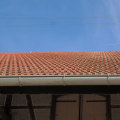
- Roof Damage: Overhanging branches can scrape against your roof, causing wear and tear.
In severe cases, they may even break off during storms, leading to punctures or leaks.
- Foundation Issues: The roots of large trees can extend far beyond the trunk, potentially disrupting the soil around your foundation. This can lead to cracks and structural instability.
- Window and Siding Damage: Branches that grow too close can break windows or scratch siding, resulting in expensive repairs.
Electrical Hazards
Trees that grow near power lines can create serious hazards. During storms or high winds, branches may fall on power lines, causing outages or even fires. It's essential to keep trees trimmed and away from these lines to ensure safety.
Pest Infestations
Trees that are too close to your home can also attract pests.
Insects like termites and carpenter ants may find their way into your house if they are nesting in nearby trees. Regular inspections and maintenance are vital to prevent infestations.
Soil Erosion
The roots of trees can also contribute to soil erosion, especially if they are too close to slopes or retaining walls. This erosion can undermine the stability of your property and lead to further damage.In summary, while trees provide numerous benefits, their proximity to your home can lead to various risks. Regular maintenance and monitoring are essential for ensuring tree safety and protecting your property from potential damage.
Signs That a Tree Is Too Close to Your House
Identifying whether a tree is too close to your house involves observing several key signs that can indicate potential tree safety issues.Here are some critical indicators to watch for:
- Root Encroachment: If you notice roots visibly pushing through the soil or lifting pavement, this could signal that the tree's roots are encroaching on your foundation. Roots can cause significant damage to structures if left unchecked.
- Leaning Trunks: A tree that appears to be leaning towards your home may be at risk of falling. This can be caused by soil erosion, root damage, or simply the weight of the tree itself. Regularly assess the angle of the trunk and look for any signs of instability.
- Overhanging Branches: Branches that extend over your roof or too close to windows can pose a risk during storms or high winds.
These branches can break off and cause damage to your property or even injure someone.
- Cracks in the Foundation: If you observe cracks in your home's foundation, it may be due to nearby tree roots exerting pressure on the soil. This is a serious issue that requires immediate attention.
- Excessive Leaf Litter: If you find yourself constantly cleaning up leaves, twigs, and debris from a nearby tree, it may indicate that the tree is too close. This not only creates maintenance issues but can also lead to clogged gutters and drainage problems.
Assessing the Health of Nearby Trees
Assessing the health of trees near your home is crucial for ensuring tree safety and preventing potential hazards.A thorough tree health assessment can help you identify whether a tree poses a risk to your property or if it can be safely maintained.
Healthy vs. Unhealthy Trees
- Healthy trees typically exhibit vibrant foliage, strong branches, and a robust trunk. They are less likely to suffer from diseases or structural failures.
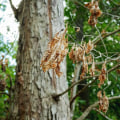
- Unhealthy trees, on the other hand, may show signs of decay, such as dead branches, discolored leaves, or fungal growth. These indicators can suggest that the tree is at risk of falling or causing damage.
Tree Inspection Tips
- Look for signs of disease: Check for unusual growths, discoloration, or wilting leaves.
These can indicate underlying health issues.
- Examine the trunk: Inspect for cracks, splits, or soft spots that may suggest structural weakness.
- Assess the root system: Ensure that roots are not exposed or damaged. Healthy roots anchor the tree and support its overall stability.
- Monitor branch structure: Look for any branches that are dead or hanging precariously. These can pose a significant risk during storms or high winds.
- Consult a professional: If you’re unsure about your assessment, consider hiring an arborist. They can provide expert advice on tree health and safety.
Remember, proactive measures can prevent costly damages and enhance the overall landscape of your property.
What to Do If a Tree Is Too Close to Your Home
If you’ve determined that a tree is growing too close to your home, it’s essential to take action to ensure tree safety and protect your property. Here are some effective steps you can follow:Assess the Situation
Begin by evaluating the tree’s health and proximity to your house. Look for signs of disease, damage, or instability. If the tree appears unhealthy or poses a risk of falling, it may be time to consider removal.Trimming Trees Safely
If the tree is healthy but its branches are encroaching on your home, trimming may be a viable option.Here are some tips for safe trimming:
- Use Proper Tools: Ensure you have sharp, clean tools like pruning shears or a chainsaw.
- Follow Safety Protocols: Wear protective gear such as gloves and goggles.
- Trim at the Right Time: Late winter or early spring is often the best time for trimming.
- Aim for Balance: Trim branches evenly to maintain the tree’s natural shape.
Consider Professional Help
If the tree is large or if you’re unsure about how to proceed, hiring a professional arborist is advisable. They can assess the tree’s condition and recommend appropriate actions, whether it’s trimming or complete removal.Removing Trees Near Your House
If removal is necessary, follow these guidelines:- Check Local Regulations: Before removing a tree, check with local authorities regarding permits and regulations.
- Plan for Safety: Ensure that there are no power lines nearby and that you have a clear area for the tree to fall.
- Consider Stump Removal: After cutting down the tree, consider removing the stump to prevent future issues.
When to Call a Professional Arborist
When it comes to maintaining tree safety, knowing when to call a professional arborist is crucial. While some tree care tasks can be handled by homeowners, certain situations require the expertise of a trained professional to ensure both the health of the tree and the safety of your property.Signs You Need a Professional Arborist
- Proximity to Structures: If a tree is growing too close to your house, power lines, or other structures, it’s wise to consult an arborist. They can assess the risk of branches falling or roots damaging foundations.
- Visible Damage: Trees that show signs of damage, such as large cracks, dead branches, or significant leaning, should be evaluated by an expert.
These issues can indicate structural weaknesses that may lead to failure.
- Pest Infestation or Disease: If you notice unusual growths, discoloration, or pests on your tree, a professional can diagnose the problem and recommend appropriate treatments.
- Tree Size and Complexity: Large trees or those with complex branching structures often require specialized equipment and knowledge for safe pruning or removal.
Benefits of Hiring an Arborist
- Expert Assessment: Arborists are trained to evaluate tree health and safety risks accurately.
- Proper Techniques: They use industry-standard techniques for pruning and removal that minimize damage to the tree and surrounding area.
- Insurance and Liability: Professional arborists typically carry insurance, protecting you from liability in case of accidents during tree work.
Preventive Measures for Tree Safety Around Your Home
Ensuring tree safety around your home is crucial for protecting your property and maintaining a safe environment. Here are some effective preventive measures you can take:- Choose the Right Location: When planting new trees, consider their mature size and root system. A good rule of thumb is to plant trees at least 10 to 15 feet away from your home and other structures.
This distance helps prevent potential damage from falling branches or roots.
- Regular Maintenance: Schedule regular inspections of your trees. Look for signs of disease, dead branches, or structural weaknesses. Pruning dead or overgrown branches not only enhances the tree's health but also reduces the risk of them falling onto your property.
- Root Management: Be aware of the root systems of trees near your home. Some species have aggressive roots that can damage foundations, driveways, and underground utilities.
If you notice roots encroaching on these areas, consider consulting a professional for advice on root pruning or tree removal.
- Landscaping Tips: Incorporate landscaping techniques that promote safety. For instance, use low-growing shrubs and plants near trees to minimize the risk of branches falling onto taller plants or structures. Additionally, avoid planting trees with weak wood near your home.
- Consult an Arborist: If you're unsure about the safety of a tree or how to maintain it, consider hiring a certified arborist. They can provide expert advice tailored to your specific situation and help you make informed decisions regarding tree care.
FAQs About Tree Safety and Proximity Issues
When it comes to tree safety and their proximity to your home, several common questions arise.Here are some frequently asked questions that can help you understand the best practices for managing trees near structures.
- What distance should trees be planted from my house?
As a general rule, trees should be planted at least 10 to 15 feet away from your home. This distance can vary based on the tree species and its mature size. - How can I tell if a tree is too close to my house?
Look for signs such as branches overhanging your roof, roots damaging your foundation, or the tree leaning towards your home. If you notice any of these issues, it may be time to consult a professional. - What are the risks of having trees too close to structures?
Trees that are too close can cause damage through falling branches, root intrusion, and moisture retention against your home’s exterior, which can lead to mold and rot. - Should I prune trees that are near my house?
Yes, regular pruning is essential for maintaining tree safety. It helps reduce the risk of branches falling and keeps the tree healthy.Aim to prune during the dormant season for best results.
- When should I consider removing a tree?
If a tree poses a significant risk to your property or is dead or dying, removal may be necessary. Always consult with a certified arborist before making this decision.
Conclusion: Prioritizing Tree Safety for Your Home's Protection
In conclusion, ensuring tree safety around your home is not just a matter of aesthetics; it is crucial for the protection of your property and the well-being of your family. As we have discussed, trees that grow too close to your house or other structures can pose significant risks, including damage from falling branches, root intrusion, and pest infestations.To effectively manage these risks, it is essential to take a proactive approach:- Regular Inspections: Conduct routine checks on the health and positioning of trees near your home. Look for signs of disease, decay, or structural weakness.
- Professional Assessment: If you notice any concerning signs, consult with a certified arborist who can provide expert advice on whether the tree needs pruning or removal.
- Pruning and Maintenance: Regularly prune trees to maintain their shape and remove any dead or overhanging branches that could fall during storms.
- Planting Considerations: When planting new trees, consider their mature size and root system to ensure they are placed at a safe distance from your home and other structures.
Remember that trees are valuable assets that contribute to the environment and your property’s value. With proper care and attention, you can enjoy their beauty while minimizing potential hazards.Ultimately, taking these steps will help you create a safer living environment and ensure that your trees remain a source of joy rather than concern.