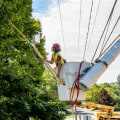
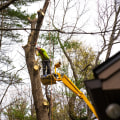
When it comes to tree safety, understanding the implications of planting new trees is crucial for both the environment and the community. Trees provide numerous benefits, from improving air quality to enhancing property value, but improper planting can lead to safety hazards that affect not only the trees themselves but also nearby structures and individuals. Therefore, recognizing the importance of tree safety is essential for anyone looking to add greenery to their landscape. Planting trees safely involves more than just digging a hole and placing a sapling in the ground. It requires careful consideration of various factors, including the tree's species, its mature size, and its proximity to power lines, buildings, and other infrastructure.
By taking these precautions into account, you can prevent potential dangers such as falling branches, root damage to sidewalks, or interference with utility lines. This proactive approach not only protects your investment in landscaping but also ensures a safer environment for everyone. Moreover, understanding tree safety extends beyond the initial planting phase. It encompasses ongoing maintenance practices that help mitigate risks associated with tree growth. Regular inspections and proper pruning techniques can significantly reduce hazards while promoting healthy tree development.
As we delve deeper into this topic, we will explore specific precautions and best practices that can help you plant trees safely and responsibly.
Choosing the Right Location for Your Trees
When it comes to tree safety, selecting the right location for planting new trees is crucial. The placement of your trees can significantly impact not only their growth but also the safety of your property and surrounding areas. Here are some key factors to consider:- Proximity to Structures: Trees should be planted at a safe distance from buildings, fences, and other structures. A general rule of thumb is to plant trees at least 10 to 15 feet away from any structure, depending on the tree's mature size.
This distance helps prevent potential damage from falling branches or roots.
- Underground Utilities: Before planting, it’s essential to check for underground utilities such as gas, water, and electrical lines. Contact your local utility company to mark these lines. Planting too close to these utilities can lead to serious safety hazards and costly repairs.
- Sunlight and Soil Conditions: Ensure that the chosen location receives adequate sunlight and has suitable soil conditions for the specific type of tree you are planting. Trees that are not suited to their environment may become weak and more susceptible to disease or structural failure.
- Wind Exposure: Consider the wind patterns in your area.
Planting trees in a sheltered location can help protect them from strong winds that may cause them to topple or lose branches.
- Other Environmental Factors: Assess the overall landscape, including nearby plants, slopes, and drainage patterns. Avoid planting in areas prone to flooding or where water tends to pool, as this can lead to root rot and other issues.
Understanding Local Regulations and Guidelines
When considering tree safety, it is crucial to understand the local regulations and guidelines that govern tree planting in your area. These regulations are designed not only to protect the environment but also to ensure the safety of residents and property.Many municipalities have specific tree planting regulations that dictate where and how trees can be planted. These rules may include:- Distance from utilities: Trees should be planted a certain distance away from power lines, water pipes, and other utilities to prevent interference and potential hazards.
- Species selection: Some areas may restrict the types of trees that can be planted based on their growth patterns, root systems, or potential invasiveness.
- Height restrictions: Regulations may limit the height of trees in certain zones to avoid obstructing views or creating safety hazards.
They can provide valuable insights into the best practices for ensuring tree safety. This includes:
- Assessing soil conditions: Understanding the soil type and its drainage capabilities can help determine the best species for planting.
- Evaluating site conditions: Factors such as sunlight exposure, wind patterns, and proximity to structures should be considered.
- Following safety guidelines: Adhering to safety protocols during planting can prevent accidents and injuries.
Assessing Soil Conditions and Tree Species Compatibility
When it comes to tree safety, understanding the soil conditions and selecting compatible tree species are crucial steps in ensuring healthy growth and minimizing risks. Poor soil conditions can lead to weak root systems, making trees more susceptible to falling or damage during storms.Assessing Soil Conditions
Before planting, it’s essential to evaluate the soil where you intend to plant your trees.Here are some key factors to consider:
- Soil Type: Different trees thrive in different soil types. Sandy soils drain quickly but may not retain nutrients, while clay soils hold moisture but can become compacted. Conduct a soil test to determine pH levels and nutrient content.
- Drainage: Ensure that the area has proper drainage. Standing water can lead to root rot, while overly dry conditions can stress the tree.
- Soil Compaction: Compacted soil restricts root growth.
If the soil is too hard, consider aerating it before planting.
Choosing Compatible Tree Species
Selecting the right tree species for your specific soil conditions is vital for promoting safe tree growth. Here are some tips:- Native Species: Opt for native trees that are adapted to your local climate and soil conditions. They typically require less maintenance and are more resilient.
- Growth Habit: Consider the mature size and shape of the tree. Ensure there is enough space for its canopy and root system to develop without interference from structures or other plants.
- Pest Resistance: Some species are more resistant to pests and diseases, which can contribute to their overall stability and longevity.
This proactive approach not only promotes safety but also contributes to a thriving landscape.
Safety Precautions During Planting
When it comes to tree safety, taking the right precautions during the planting process is crucial to ensure both your safety and the health of the tree. Here are some essential tree planting safety tips to consider:- Use Proper Tools: Always use the right tools for planting. A sharp spade, shovel, and pruning shears are essential. Ensure that your tools are in good condition to avoid accidents.
- Wear Personal Protective Equipment (PPE): Equip yourself with appropriate PPE, including gloves, safety goggles, and sturdy footwear.
This will protect you from potential injuries while digging and handling heavy materials.
- Check for Underground Utilities: Before digging, contact local utility companies to mark any underground lines. This prevents accidental damage to gas, water, or electrical lines, ensuring a safer planting environment.
- Assess the Planting Site: Evaluate the area where you plan to plant. Look for hazards such as low-hanging branches, uneven ground, or nearby structures that could pose risks during the planting process.
- Maintain Good Posture: When digging or lifting, use proper body mechanics to avoid strain or injury. Bend at your knees and keep your back straight while lifting heavy items.
- Work with a Partner: If possible, enlist a friend or family member to assist you.
Having someone nearby can help in case of an emergency and make the planting process more efficient.
Post-Planting Care and Maintenance for Safety
After planting new trees, ongoing care and maintenance are crucial for ensuring their long-term safety and stability. Proper post-planting practices not only promote healthy growth but also mitigate potential hazards associated with weak or improperly maintained trees.Watering
is one of the most important aspects of tree maintenance. Newly planted trees require consistent moisture to establish their root systems.During the first few months, it’s essential to water them deeply at least once a week, adjusting frequency based on rainfall and soil conditions. A good rule of thumb is to provide about 10 gallons of water per week for each inch of trunk diameter.Another critical factor is mulching. Applying a layer of organic mulch around the base of the tree helps retain soil moisture, suppress weeds, and regulate soil temperature. However, it’s important to keep mulch away from the trunk to prevent rot and pest infestations.
Staking
may be necessary for young trees that are tall or planted in windy areas.Proper staking provides support while allowing the tree to sway naturally, which encourages stronger root development. Use soft ties and ensure that stakes are removed after one growing season to prevent girdling.Regular inspections are vital for identifying any signs of stress or disease early on. Look for symptoms such as wilting leaves, discoloration, or unusual growth patterns. If any issues arise, consult with a certified arborist for appropriate treatment options.Finally, consider the surrounding environment.
Ensure that there is adequate space for the tree to grow without interference from nearby structures or other plants. This not only promotes healthy growth but also reduces the risk of falling branches or uprooting due to overcrowding.By implementing these post-planting care tips, you can significantly enhance the safety and longevity of your trees, creating a safer environment for both your property and its inhabitants.
Common Tree Planting Mistakes to Avoid
When it comes to tree safety, avoiding common mistakes during the planting process is crucial. Many novice planters overlook essential factors that can lead to safety hazards or hinder the tree's growth. Here are some common pitfalls to watch out for:- Choosing the Wrong Location: Planting a tree too close to power lines, buildings, or other structures can create safety risks as the tree matures.
Always check the mature height and spread of the tree species you choose and ensure there’s ample space.
- Neglecting Soil Quality: Poor soil conditions can stunt a tree's growth and make it more susceptible to disease. Conduct a soil test to determine pH and nutrient levels, and amend the soil as necessary before planting.
- Improper Planting Depth: Planting a tree too deep can suffocate its roots, while planting it too shallow can expose roots to air and damage. The general rule is to plant at the same depth as it was in the nursery.
- Ignoring Water Needs: Newly planted trees require consistent moisture to establish their root systems. Failing to water adequately can lead to stress and increase vulnerability to pests and diseases.
- Overlooking Tree Species Compatibility: Not all trees thrive in every environment.
Research local climate conditions and select species that are well-suited for your area to ensure healthy growth.
FAQs About Tree Safety When Planting New Trees
When it comes to tree safety during the planting process, many homeowners have questions. Here are some of the most frequently asked questions regarding tree planting safety:What are the best practices for planting trees safely?
To ensure tree safety, follow these best practices:- Choose the right location: Ensure that the area has enough space for the tree to grow without interfering with power lines, buildings, or other structures.
- Check soil conditions: Test the soil for drainage and nutrient levels to promote healthy growth.
- Use proper planting techniques: Dig a hole that is twice as wide as the root ball but no deeper than the root ball itself.
- Water appropriately: After planting, water the tree thoroughly to help settle the soil and eliminate air pockets.
Are there any safety concerns with planting near utility lines?
Yes, planting trees near utility lines can pose significant safety risks. Always check with your local utility company before planting.They can provide guidance on safe distances and may even mark underground lines to prevent accidental damage.
What should I do if I encounter rocks or roots while digging?
If you encounter rocks or roots while digging, it’s important to proceed with caution. Avoid using excessive force, as this can damage your tools or cause injury. Instead, consider:- Using a hand trowel: This allows for more control and precision when navigating around obstacles.
- Consulting a professional: If you’re unsure how to proceed safely, hiring an arborist can help ensure that you plant your tree without damaging existing roots or structures.
How can I protect my newly planted tree from pests and diseases?
To enhance tree safety, it’s crucial to protect your new tree from pests and diseases. Here are some tips:- Regular inspections: Check your tree regularly for signs of pests or disease.
- Use mulch: Applying mulch around the base can help retain moisture and deter weeds.
- Avoid overwatering: Too much water can lead to root rot and attract pests.
Conclusion: Key Takeaways on Tree Safety Precautions
In conclusion, ensuring tree safety during the planting process is crucial for both the health of the tree and the safety of your surroundings.By adhering to the precautions outlined in this article, you can significantly reduce risks associated with tree planting.
- Site Assessment: Always conduct a thorough assessment of the planting site. Check for overhead power lines, underground utilities, and proximity to structures. This will help prevent accidents and ensure that the tree has enough space to grow.
- Choosing the Right Species: Select tree species that are suitable for your local climate and soil conditions. Native species are often more resilient and require less maintenance, which contributes to overall tree safety.
- Proper Planting Techniques: Follow best practices for planting, including digging an appropriate-sized hole and ensuring that the root ball is not too deep.
This promotes healthy growth and stability.
- Regular Maintenance: After planting, commit to regular maintenance such as watering, mulching, and pruning. Healthy trees are less likely to pose safety hazards.
- Monitoring for Pests and Diseases: Keep an eye out for signs of pests or diseases that could weaken the tree. Early intervention can prevent larger issues that may compromise safety.