When it comes to tree safety, understanding the inherent risks associated with falling trees is crucial for homeowners and property managers alike. Trees, while often seen as beautiful additions to our landscapes, can pose significant dangers if not properly maintained. Factors such as age, disease, and environmental conditions can weaken a tree's structure, making it more susceptible to falling during storms or high winds. Recognizing these risks is the first step in ensuring the safety of your property and loved ones. Regular tree maintenance plays a vital role in mitigating these risks.
This includes routine inspections by certified arborists who can identify potential hazards, such as dead branches or root rot, that may compromise a tree's stability. Additionally, proper pruning and trimming can help maintain a tree's health and reduce the likelihood of branches breaking off during adverse weather conditions. By investing time and resources into maintaining your trees, you not only enhance the aesthetic appeal of your property but also significantly lower the chances of accidents caused by falling trees. Moreover, understanding the specific types of trees on your property and their growth patterns can further inform your approach to tree safety. Some species are more prone to falling than others, especially in certain climates or soil conditions.
By being proactive about tree care and staying informed about the risks associated with your landscape, you can create a safer environment for yourself and your community.
Immediate Actions to Take After a Tree Falls
When a tree falls on your property or car, the first priority is ensuring the safety of everyone involved. Here are the immediate actions you should take:- Assess the Situation: Before approaching the fallen tree, take a moment to evaluate the area. Look for any hazards such as downed power lines, which can pose serious risks. If you see any wires, stay at least 30 feet away and call your local utility company.
- Check for Injuries: Ensure that no one is injured.
If someone is hurt, call 911 immediately for medical assistance. Provide first aid if you are trained to do so, but avoid moving anyone who may have sustained serious injuries.
- Evacuate the Area: If there are people nearby, instruct them to move to a safe distance. This is especially important if the tree has fallen on a vehicle, as there may be a risk of further collapse or additional falling branches.
- Document the Damage: Once it is safe to do so, take photos of the fallen tree and any damage it has caused. This documentation can be crucial for insurance claims and future assessments.
- Contact Your Insurance Company: Notify your insurance provider about the incident as soon as possible.
They can guide you through the claims process and advise on next steps regarding repairs or removal.
Tree safety
is paramount; improper handling can lead to further injuries or damage. In summary, your immediate actions should focus on safety first—assessing hazards, checking for injuries, evacuating the area, documenting damage, and contacting your insurance company. By following these steps, you can ensure that you and those around you remain safe in a potentially dangerous situation.Assessing the Damage: Property and Vehicle Considerations
When a tree falls on your property or vehicle, the first step is to assess the damage thoroughly. This process not only helps you understand the extent of the destruction but also prepares you for any potential insurance claims.1.Safety First
: Before you begin assessing the damage, ensure that the area is safe.
Look out for any live wires or unstable branches that could pose a risk. If there are any hazards, contact local authorities or emergency services.
2.Documenting Property Damage
: Start by taking clear photographs of the fallen tree and the affected areas of your property. Capture multiple angles to provide a comprehensive view of the damage. Make sure to include:
- The base of the tree and its point of impact.
- Any structural damage to buildings, fences, or other structures.
- Landscaping or garden damage.
3.Evaluating Vehicle Damage
: If a tree has fallen on your car, inspect it carefully for any visible damage.
Look for:
- Dents or scratches on the body.
- Broken windows or mirrors.
- Damage to tires or undercarriage.
4.Notifying Your Insurance Company
: Once you have documented all damages, contact your insurance provider as soon as possible. Provide them with the photographs and a detailed description of what happened. Be prepared to answer questions about the incident and follow their instructions for filing a claim.
5.Keep Records
: Maintain a record of all communications with your insurance company, including dates, times, and names of representatives you speak with.
This will help streamline the claims process and ensure that you have all necessary information at hand.By taking these steps to assess and document the damage caused by a fallen tree, you can effectively navigate the aftermath and work towards resolving any issues with your property or vehicle.
Contacting Professionals: When to Call for Help
When a tree falls on your property or vehicle, it can be a stressful situation. Knowing when to call professionals is crucial for ensuring safety and proper handling of the situation. Here are some scenarios where contacting experts is necessary:- Severe Damage: If the fallen tree has caused significant damage to your home, garage, or car, it’s essential to call a professional tree removal service immediately. They have the expertise and equipment to safely remove the tree without causing further damage.
- Hazardous Situations: If the tree is leaning precariously or is in danger of falling further, it poses a risk to your safety and that of others nearby.
In such cases, emergency services should be contacted right away.
- Blocked Access: A fallen tree can obstruct driveways or roads, making it difficult for emergency vehicles to access your property. In this instance, contacting local authorities or emergency services can help clear the way.
- Your Location: Clearly state your address and any landmarks that can help professionals find you quickly.
- Description of the Situation: Explain what happened, including details about the size of the tree and any damage it has caused.
- Safety Concerns: Mention any immediate dangers, such as downed power lines or gas leaks, which require urgent attention.
Insurance Claims: Navigating the Process
When a tree falls on your property or car, navigating the insurance claims process can feel overwhelming. However, understanding the steps involved can help you secure the compensation you deserve.1.Assess the Damage
- Before contacting your insurance company, take photos of the damage from multiple angles.
- Document any personal property that was affected, including vehicles and structures.
- If possible, note the time and date of the incident, as well as any witnesses.
2.Contact Your Insurance Provider
Reach out to your insurance company as soon as possible.
Most policies require prompt reporting of incidents. When you call:
- Provide them with all necessary details about the incident.
- Ask about your coverage for tree damage insurance, as this can vary significantly between policies.
- Inquire about any deductibles that may apply to your claim.
3.File a Claim
Your insurance provider will guide you through the process of filing a claim. Be prepared to:
- Fill out necessary forms and provide documentation of the damage.
- Submit your photos and any other evidence you collected.
- Keep a record of all communications with your insurer for future reference.
4.Follow Up
After filing your claim, stay proactive:
- Check in with your claims adjuster regularly to monitor the status of your claim.
- If there are delays or issues, don’t hesitate to ask for clarification or escalate the matter if necessary.
5.Understand Your Rights
If your claim is denied or you feel that the settlement offered is insufficient, remember that you have options:
- You can appeal the decision by providing additional evidence or documentation.
- Consider consulting with a legal professional who specializes in insurance claims if needed.
Preventative Measures: How to Avoid Future Incidents
To ensure tree safety and prevent future incidents involving falling trees, homeowners should adopt a proactive approach to tree maintenance and safety inspections. Here are some essential measures to consider:- Regular Tree Inspections: Schedule annual inspections with a certified arborist.
They can identify potential hazards such as disease, decay, or structural weaknesses that may lead to a tree falling.
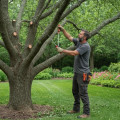
- Prune Trees Regularly: Regular pruning helps maintain the health of your trees and reduces the risk of branches breaking off during storms. Focus on removing dead or weak branches and ensuring that the tree has a balanced structure.
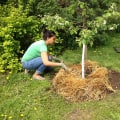
- Monitor Soil Conditions: Trees with shallow roots or those planted in poor soil conditions are more susceptible to falling. Ensure that the soil around your trees is well-drained and not overly saturated, especially after heavy rains.
- Assess Proximity to Structures: Evaluate the distance between your trees and your home or other structures. If a tree is too close, consider having it removed or trimmed back significantly to reduce risk.
- Be Aware of Tree Species: Some tree species are more prone to falling than others due to their growth patterns or root systems.
Research the types of trees on your property and consult with an expert about their stability.
FAQs About Tree Safety and Fallen Trees
When it comes to tree safety, many homeowners have questions about what to do if a tree falls on their property or vehicle. Here are some frequently asked questions that can help guide you through this situation.What should I do immediately after a tree falls?
First, ensure your safety and the safety of others.If the tree has fallen on a structure or vehicle, stay away from the area until it is deemed safe. Call emergency services if there are any injuries or if the fallen tree poses an immediate danger to people nearby.
Is it safe to remove a fallen tree myself?
While it may be tempting to try and remove a fallen tree yourself, it is often best to hire a professional.Tree removal
can be dangerous, especially if the tree is large or has fallen in a precarious position. Professionals have the right equipment and expertise to handle such situations safely.Will my insurance cover the damage?
This depends on your specific insurance policy.Most homeowners' insurance policies cover damage caused by fallen trees, but it's essential to check your policy details. Contact your insurance provider as soon as possible to report the incident and understand your coverage.
How can I prevent trees from falling in the future?
- Regular inspections: Have trees on your property inspected regularly by an arborist.
- Pruning: Keep trees well-pruned to reduce weight and improve stability.
- Remove dead or diseased trees: If a tree is unhealthy, consider removing it before it becomes a hazard.
Conclusion: Key Takeaways for Tree Safety and Response
In conclusion, understanding tree safety and knowing how to respond when a tree falls on your property or vehicle is crucial for minimizing damage and ensuring personal safety. Here are the key takeaways:- Assess the Situation: Immediately evaluate the extent of the damage. Check for any hazards such as downed power lines or gas leaks before approaching the fallen tree.
- Prioritize Safety: Your safety and that of others should be your first concern.
If there are any injuries or if the situation poses immediate danger, call emergency services right away.
- Document the Damage: Take photos of the fallen tree and any damage it caused. This documentation will be essential for insurance claims and future reference.
- Contact Professionals: Do not attempt to remove a large tree on your own. Hire a certified arborist or tree removal service to handle the situation safely and effectively.
- Notify Your Insurance Company: Report the incident to your insurance provider as soon as possible. They can guide you through the claims process and help you understand your coverage.
- Prevent Future Incidents: Regularly inspect trees on your property for signs of disease or instability.
Consider consulting with a professional for routine maintenance to mitigate risks associated with falling trees.