When it comes to tree safety, understanding the inherent risks associated with climbing trees is essential. While climbing can be a fun and adventurous activity, it also poses significant dangers that can lead to serious injuries or even fatalities. Factors such as the height of the tree, the condition of its branches, and the climber's experience level all contribute to the potential hazards. Recognizing these risks is the first step in ensuring not only your safety but also the safety of others who may be engaging in this activity. One of the most pressing concerns when someone is climbing a tree is the possibility of falling.
A misstep or a weak branch can result in a dangerous drop, leading to broken bones, concussions, or worse. Additionally, trees can harbor hidden dangers such as sharp branches, insects, or even unstable ground conditions that can complicate a climber's descent. Understanding these tree climbing dangers is crucial for anyone who might witness someone in a precarious position. Moreover, it’s important to consider that not all trees are suitable for climbing. Some species have brittle branches that are more likely to snap under weight, while others may be too tall or have an uneven structure that makes climbing risky.
By being aware of these factors and knowing how to respond if you see someone in danger while climbing a tree, you can play a vital role in promoting tree safety and potentially saving a life.
Recognizing Signs of Danger in Tree Climbers
When observing someone climbing a tree, it is crucial to be vigilant and recognize the signs of danger. Identifying these signs early can make a significant difference in ensuring the climber's safety.- Unstable Positions: If the climber is positioned awkwardly or appears to be struggling to maintain their balance, this is a clear indication of potential danger. Look for signs such as leaning too far out or clinging to branches that seem weak or unstable.
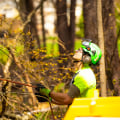
- Lack of Safety Gear: Proper tree safety equipment is essential for any climber. If you notice that the individual is not wearing a helmet, harness, or other protective gear, they may be at a higher risk of injury.
Safety gear helps prevent falls and protects against head injuries.
- Visible Distress: Pay attention to the climber's facial expressions and body language. Signs of distress may include shouting for help, looking panicked, or making erratic movements. If they appear frightened or are calling out for assistance, it’s critical to act quickly.
- Excessive Height: Climbing too high without proper safety measures can lead to dangerous situations. If the climber is significantly above the ground and not secured, they may be in jeopardy of falling.
If you notice any of these indicators, it’s important to assess the situation carefully and determine whether intervention is necessary. Always prioritize your own safety while attempting to assist someone in distress.
Immediate Actions to Take When You See Someone in Danger
When you witness someone climbing a tree and they appear to be in danger, your immediate response is crucial. Here are the steps you should take to ensure both your safety and that of the individual in peril.- Assess the Situation: Before taking any action, quickly evaluate the circumstances. Is the person at a significant height? Are they showing signs of distress or losing their grip? Understanding the severity of the situation will help you determine the best course of action.
- Ensure Your Safety: Your safety is paramount.
Do not rush into a situation that could put you at risk. If the tree is unstable or if there are hazards nearby, it may be safer to maintain a distance while you assess the situation.
- Call for Help: If the person appears to be in serious danger, immediately call emergency services. Provide them with clear information about the location and nature of the incident. This ensures that trained professionals can respond appropriately.
- Communicate Calmly: If it is safe to do so, try to communicate with the person in the tree.
Use a calm and reassuring tone to encourage them to stay still and avoid making sudden movements that could worsen their situation.
- Do Not Attempt a Rescue Alone: Unless you are trained in rescue operations, do not attempt to climb up and save them yourself. This could lead to additional injuries or complications for both you and the individual in danger.
How to Safely Assist a Climber in Distress
When you encounter someone who appears to be in distress while climbing a tree, your immediate reaction may be to rush in and help. However, it’s crucial to approach the situation with caution to ensure both your safety and that of the climber.Here are some effective strategies for assisting a climber in distress.
Assess the Situation
Before taking any action, quickly assess the situation:- Evaluate the climber's condition: Are they injured, stuck, or simply scared? Understanding their state will guide your response.
- Check the environment: Look for potential hazards such as unstable branches, nearby power lines, or other dangers that could complicate the rescue.
Communicate Clearly
Effective communication is key when assisting someone in distress:- Speak calmly: Use a soothing tone to help reduce the climber's anxiety. Reassure them that help is on the way.
- Ask questions: Inquire about their situation. Questions like "Are you hurt?" or "Can you climb down?" can provide valuable information.
Provide Physical Assistance
If it’s safe to do so, you may need to offer physical assistance:- Use a sturdy ladder: If the climber is within reach, a ladder can provide a safe way for them to descend. Ensure it is stable and secure before they attempt to use it.
- Offer a rope: If you have access to a rope, throw it up to them.
They can use it for support as they climb down or stabilize themselves.
Know When to Call for Help
If the situation seems beyond your ability to manage safely, do not hesitate to call for professional help:- Emergency services: If the climber is seriously injured or unable to descend safely, contacting emergency services is essential.
- Tree removal experts: In some cases, professionals trained in tree safety and rescue techniques may be necessary.
When to Call for Professional Help
When witnessing someone climbing a tree, it’s crucial to assess the situation carefully.Tree safety
is paramount, and knowing when to call for professional help can make a significant difference in the outcome.If the climber appears to be in distress or is unable to descend safely, it’s essential to act quickly.Here are some specific circumstances that warrant contacting professional rescue services:
- Injury: If the climber has fallen or shows signs of injury, such as inability to move or severe pain, do not attempt to assist them yourself. Call for emergency services immediately.
- Heightened Risk: If the climber is at a significant height and seems disoriented or panicked, their ability to make safe decisions may be compromised. In such cases, it’s best to involve professionals who are trained in high-angle rescues.
- Unstable Position: If the climber is stuck in a precarious position, such as wedged between branches or unable to find a safe route down, do not try to coax them down. Instead, alert rescue teams who have the equipment and expertise to handle such situations.
- Severe Weather Conditions: If weather conditions are deteriorating—such as high winds, rain, or lightning—this increases the risk of accidents.
In these scenarios, calling for help is critical.
Preventive Measures for Safe Tree Climbing
Ensuring tree safety during climbing activities is crucial for preventing accidents and injuries. By following a few essential tree climbing safety tips, individuals can significantly reduce the risks associated with this adventurous activity.- Choose the Right Tree: Not all trees are suitable for climbing.
Look for healthy trees with sturdy branches that can support weight. Avoid trees with dead or weak branches, as they pose a higher risk of breaking.
- Inspect the Environment: Before climbing, assess the area around the tree. Ensure there are no hazards such as power lines, sharp objects, or unstable ground that could lead to accidents.
- Wear Appropriate Gear: Use climbing gear such as helmets, gloves, and sturdy shoes. This equipment can provide protection and enhance grip while climbing.
- Climb with a Buddy: Always have someone with you when climbing.
A partner can assist in case of an emergency and provide support during the climb.
- Learn Proper Techniques: Educate yourself on safe climbing techniques. This includes how to position your body, where to place your hands and feet, and how to descend safely.
These can provide valuable hands-on experience and reinforce the importance of safe practices in a fun and engaging way.
Frequently Asked Questions About Tree Safety and Climbing Risks
When it comes to tree safety, many people have questions about the risks associated with climbing trees. Here are some frequently asked questions that can help clarify these concerns:- What are the main dangers of climbing trees?Climbing trees can pose several risks, including falling from heights, getting stuck in branches, or encountering unstable limbs. It's essential to assess the tree's condition before attempting to climb.
- How can I tell if a tree is safe to climb?Look for signs of decay, such as cracks in the trunk, dead branches, or fungal growth. A healthy tree will have a sturdy trunk and strong branches that can support weight.
- What should I do if I see someone in danger while climbing a tree?If you notice someone who appears to be in danger, call for help immediately.
Do not attempt to rescue them yourself unless you are trained in emergency response, as this could put you at risk as well.
- Are there age restrictions for climbing trees?While there are no strict age restrictions, children should always be supervised by an adult when climbing trees. Adults should also consider their physical ability and experience before climbing.
- What safety gear is recommended for tree climbing?Using a helmet is crucial to protect against head injuries. Additionally, harnesses and ropes can provide extra security for climbers, especially when ascending taller trees.
Conclusion: Key Takeaways on Tree Safety and Emergency Response
In conclusion, understanding tree safety is crucial for both individuals and communities.When witnessing someone in a precarious situation while climbing a tree, it is essential to act swiftly and responsibly. Here are the key takeaways to remember:
- Assess the Situation: Before intervening, evaluate the climber's condition and the surrounding environment. Are they in immediate danger, or can they safely descend on their own?
- Call for Help: If the climber appears to be in serious danger, do not hesitate to contact emergency services. Provide them with clear information about the location and nature of the emergency.
- Do Not Attempt a Rescue: Unless you are trained in rescue operations, attempting to climb up or assist the individual can put both of you at risk.
Instead, focus on keeping them calm and encouraging them to stay still until help arrives.
- Educate Others: Share knowledge about tree safety with friends and family. Discuss safe climbing practices and the importance of using proper equipment.
- Promote Awareness: Advocate for community programs that teach tree safety and emergency response techniques. The more people are informed, the safer our environments will be.