Tree safety is a critical aspect of urban and rural planning that often goes overlooked until a serious incident occurs.
Tree safety regulations
are designed to mitigate risks associated with tree failures, which can lead to property damage, personal injury, and even loss of life. These regulations serve as a framework for maintaining healthy trees while ensuring that they do not pose a threat to the surrounding environment or community. Understanding these laws is essential for property owners, municipalities, and arborists alike. The importance of tree safety cannot be overstated.Trees provide numerous benefits, including shade, aesthetic value, and improved air quality. However, when trees are not properly maintained or monitored, they can become hazardous. Regulations often dictate how trees should be inspected, pruned, or removed to prevent accidents. This proactive approach not only protects individuals but also preserves the ecological balance within our communities. As we delve deeper into the specific tree safety laws that govern tree management practices, it becomes clear that these guidelines are not merely bureaucratic red tape; they are essential for fostering a safe and sustainable environment.
By adhering to these regulations, we can ensure that our green spaces remain both beautiful and safe for generations to come.
Overview of Tree Safety Laws in the United States
Tree safety laws in the United States are essential for protecting public health, property, and the environment. These laws can vary significantly at both the federal and state levels, reflecting the diverse needs and priorities of different regions.Federal Tree Safety Regulations
- The federal government primarily addresses tree safety through regulations related to public lands and national parks. The U.S. Forest Service implements guidelines to manage tree health and safety in national forests.
- Additionally, the Occupational Safety and Health Administration (OSHA) has regulations that impact tree care professionals, ensuring safe practices during tree removal and maintenance operations.
State Tree Safety Laws
- Each state has its own set of laws governing tree safety, often influenced by local environmental conditions and urban development needs.
For example, states prone to severe weather may have stricter regulations regarding tree maintenance to prevent hazards.
- Many states require property owners to maintain trees on their land to prevent them from becoming a danger to pedestrians or nearby structures. Failure to comply can result in fines or liability for damages.
- Some states have enacted specific legislation aimed at protecting certain species of trees, particularly those that are endangered or have significant ecological value.
Local Ordinances
In addition to federal and state laws, many municipalities have their own ordinances regarding tree safety. These local laws can dictate:
- The types of trees that can be planted in public spaces.
- Requirements for regular inspections and maintenance of trees along streets and in parks.
- Procedures for reporting hazardous trees that pose a risk to public safety.
Key Federal Regulations Impacting Tree Safety
When it comes to tree safety, several key federal regulations play a crucial role in ensuring that practices related to tree management and maintenance are conducted safely and responsibly.Understanding these regulations is essential for both professionals in the field and property owners.
OSHA Tree Safety Guidelines
The Occupational Safety and Health Administration (OSHA) has established guidelines that directly impact tree safety, particularly for workers involved in tree trimming, removal, and maintenance. These guidelines are designed to minimize risks associated with working at heights, using heavy equipment, and handling potentially hazardous materials.- Personal Protective Equipment (PPE): OSHA mandates the use of appropriate PPE, including helmets, gloves, and eye protection, to safeguard workers from injuries.
- Training Requirements: Workers must receive training on safe work practices, including how to operate equipment safely and recognize hazards.
- Fall Protection: For tasks performed at heights, OSHA requires fall protection measures to prevent accidents.
Environmental Protection Agency Tree Laws
The Environmental Protection Agency (EPA) also plays a significant role in regulating tree safety through various environmental laws aimed at protecting natural resources. These regulations often intersect with tree management practices:- Clean Water Act: This act regulates discharges into waterways, which can be affected by tree removal or maintenance activities that disturb soil and vegetation.
- Endangered Species Act: Tree management practices must consider the presence of endangered species that may inhabit certain trees or areas.
- Pesticide Regulations: The EPA regulates the use of pesticides that may be applied to trees, ensuring they do not harm the environment or public health.
State-Specific Tree Safety Regulations
Tree safety regulations can vary significantly from state to state, reflecting local environmental conditions, urban planning needs, and community values.Understanding these state-specific tree safety regulations is crucial for property owners, landscapers, and municipal planners alike.
California
is known for its stringent tree safety laws, particularly in urban areas prone to wildfires. The state mandates that property owners maintain defensible space around their homes, which includes proper tree trimming and removal of dead or dying trees that could pose a fire hazard.In contrast, Florida has specific ordinances regarding the protection of certain tree species. For instance, the Florida Native Plant Society advocates for the preservation of native trees, and local governments often require permits for the removal of protected species like the Sabal Palm.
New York
has enacted laws that focus on the maintenance of street trees. Municipalities are required to develop tree management plans that include regular inspections and maintenance schedules to ensure public safety and enhance urban green spaces.
Texas
, on the other hand, has a more decentralized approach.
While there are state guidelines regarding tree care and safety, many regulations are left to local jurisdictions. This means that homeowners in cities like Austin may face different requirements compared to those in rural areas.Additionally, some states have adopted local tree ordinances that address specific community needs. For example:
- Oregon: Cities like Portland have strict regulations on tree removal in residential areas to preserve urban canopy.
- Washington: Many municipalities require permits for significant tree pruning or removal, especially in environmentally sensitive areas.
- Massachusetts: Local bylaws often dictate how trees must be maintained along public roads to ensure pedestrian safety.
Local Ordinances and Their Role in Tree Safety
Local ordinances play a crucial role in ensuring tree safety within communities.These regulations are established by municipalities to manage the health and maintenance of trees, which can significantly impact public safety and environmental quality. By implementing specific rules, local governments aim to prevent hazards associated with tree failures, such as falling branches or uprooted trees during storms.
Municipal tree safety laws
often include guidelines on tree planting, maintenance, and removal. For instance, many cities require property owners to maintain trees on their land to prevent them from becoming a danger to pedestrians and vehicles. Failure to comply with these regulations can result in fines or liability for damages caused by neglected trees.Additionally, local ordinances may dictate the types of trees that can be planted in certain areas, especially in urban settings where space is limited.These regulations help ensure that the selected species are suitable for the environment and do not pose risks due to invasive roots or excessive height.
- Tree Maintenance: Regular inspections and maintenance are often mandated to ensure trees remain healthy and safe.
- Permits for Removal: Many municipalities require permits for tree removal, especially for mature or protected species.
- Community Involvement: Local governments may encourage community participation in tree care programs, fostering a sense of responsibility among residents.
Liability Issues Related to Tree Safety
When it comes to tree safety, understanding the legal implications is crucial for property owners.In many jurisdictions, property owners are held responsible for the maintenance and safety of trees on their land. This responsibility extends to ensuring that trees do not pose a risk to people or neighboring properties.
Tree liability laws
vary by state, but generally, if a tree falls and causes damage or injury, the property owner may be liable if it can be proven that they were negligent in maintaining the tree. Negligence could include failing to remove a dead or diseased tree, ignoring visible signs of decay, or not conducting regular inspections.In some cases, property owners may also be liable for damages caused by falling branches or debris during storms, especially if they had prior knowledge of the tree's hazardous condition. To mitigate these risks, it is advisable for property owners to:- Conduct regular inspections of their trees.
- Hire certified arborists for professional assessments.
- Document maintenance activities and any issues observed.
For instance, some municipalities have regulations that mandate the removal of hazardous trees within a certain timeframe after they are identified. Failure to comply with these regulations can lead to fines and increased liability in the event of an accident.Moreover, legal issues surrounding tree safety can also arise from disputes between neighbors. If a tree from one property damages another's property, the affected neighbor may seek compensation. In such cases, courts often consider factors such as the health of the tree and whether the owner took reasonable steps to prevent harm.In conclusion, understanding property owner responsibility for trees is essential in preventing legal complications related to tree safety.
By being proactive in tree maintenance and adhering to local laws, property owners can significantly reduce their liability risks.
Best Practices for Ensuring Tree Safety Compliance
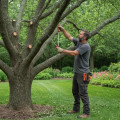
Ensuring tree safety compliance is essential for both public safety and environmental health. Here are some best practices that individuals and organizations can adopt to maintain safe trees and adhere to relevant regulations:- Regular Inspections: Conduct routine inspections of trees, especially those near public spaces or structures. Look for signs of disease, decay, or structural weakness.
- Consult Professionals: Engage certified arborists for expert assessments. They can provide insights into tree health and recommend necessary actions.
- Follow Local Regulations: Familiarize yourself with local laws regarding tree maintenance and removal.
Compliance with these regulations is crucial to avoid legal issues.
- Proper Pruning Techniques: Use appropriate pruning methods to enhance tree health and safety. Avoid topping trees, as this can lead to instability and increased risk of failure.
- Maintain Tree Health: Ensure trees receive adequate water, nutrients, and care. Healthy trees are less likely to pose safety risks.
- Emergency Preparedness: Have a plan in place for storm damage or other emergencies that may affect tree stability. This includes knowing how to safely remove hazardous trees.
Maintaining healthy trees not only protects property but also contributes to the overall well-being of the community.
Frequently Asked Questions About Tree Safety Regulations
Understanding tree safety regulations can be complex, as they often vary by location and jurisdiction. Here are some frequently asked questions that can help clarify common concerns:- What are the main laws governing tree safety?
Tree safety laws typically fall under local ordinances, state regulations, and sometimes federal guidelines. These laws may address issues such as tree maintenance, removal, and liability in case of damage caused by falling trees. - Are there specific regulations for hazardous trees?
Yes, many municipalities have specific regulations regarding hazardous trees. Property owners may be required to assess and mitigate risks associated with trees that pose a danger to people or property. - Who is responsible for tree safety on private property?
Generally, the property owner is responsible for ensuring the safety of trees on their land.This includes regular inspections and maintenance to prevent potential hazards.
- What should I do if I believe a tree is unsafe?
If you suspect a tree is unsafe, it’s advisable to contact a certified arborist for an evaluation. They can provide guidance on necessary actions, which may include pruning or removal. - Are there penalties for not adhering to tree safety regulations?
Yes, failing to comply with local tree safety regulations can result in fines or other penalties. In some cases, property owners may also be held liable for damages caused by neglected trees.
Conclusion: The Importance of Adhering to Tree Safety Regulations
In conclusion, adhering to tree safety regulations is not just a matter of compliance; it is essential for the well-being of our communities and the environment. As we have explored, these regulations are designed to mitigate risks associated with tree hazards, protect public health, and ensure the sustainability of our green spaces.Failure to comply with tree safety laws can lead to severe consequences, including property damage, personal injury, and even loss of life.Moreover, neglecting tree maintenance can result in long-term ecological impacts, such as habitat destruction and increased vulnerability to pests and diseases.
Key Takeaways
- Understanding local regulations is crucial for property owners and municipalities alike. Each area may have specific guidelines regarding tree care, removal, and planting.
- Regular inspections and maintenance are vital in identifying potential hazards before they escalate into serious issues.
- Community involvement in tree safety initiatives can foster a culture of awareness and responsibility, encouraging residents to take an active role in maintaining their local environment.