Understanding tree safety is crucial for anyone who spends time outdoors, whether in urban parks, residential areas, or natural landscapes. Trees provide numerous benefits, from enhancing the beauty of our surroundings to improving air quality. However, they also pose significant risks if not properly maintained. Falling branches or entire trees can lead to severe injuries or even fatalities, making it essential to recognize the importance of tree safety measures. One of the primary reasons for prioritizing tree safety is the potential hazards associated with unhealthy or improperly situated trees.
Factors such as disease, pest infestations, and environmental stress can weaken a tree's structure, increasing the likelihood of branches breaking or the tree toppling over. Regular inspections and maintenance can help identify these risks before they result in accidents. Understanding how to assess tree health and recognizing warning signs are vital skills for homeowners and community members alike. Moreover, awareness of tree hazards extends beyond individual property lines. In densely populated areas, a single compromised tree can threaten multiple homes and public spaces.
By fostering a culture of tree safety, communities can work together to mitigate risks and ensure that everyone enjoys the benefits of trees without the associated dangers. This section will delve deeper into practical strategies for protecting yourself and others from falling branches or trees, emphasizing the collective responsibility we share in maintaining safe environments.
Identifying Dangerous Trees and Branches
Understanding how to identify dangerous trees and branches is crucial for ensuring tree safety. Regular inspections can help you spot potential hazards before they become a serious threat. Here are some key signs to look for:- Cracks and Splits: Look for visible cracks or splits in the trunk or major branches.
These can indicate structural weaknesses that may lead to failure.
- Dead or Dying Branches: Branches that are brittle, lack leaves, or have a grayish color may be dead or dying. These branches are more likely to fall during storms or high winds.
- Fungal Growth: The presence of mushrooms or other fungi at the base of a tree can signal decay. Fungi often thrive on decaying wood, indicating that the tree may be compromised.
- Leaning Trees: Trees that lean significantly to one side may be at risk of toppling over, especially if the lean is recent and not characteristic of the tree's natural growth.
- Root Damage: Exposed roots or signs of root rot can weaken a tree's stability. Inspect the ground around the base for any signs of erosion or damage.
- Frequency: Inspect trees regularly, especially after severe weather events.
- Height Consideration: Use binoculars to check higher branches without climbing.
- Professional Help: If you're unsure about a tree's health, consider hiring an arborist for a professional assessment.
Preventive Measures for Tree Safety
Ensuring tree safety requires a proactive approach that includes regular maintenance and safe landscaping practices.By implementing these preventive measures, you can significantly reduce the risk of falling branches or trees.
- Regular Inspections: Conduct routine inspections of your trees, looking for signs of disease, decay, or structural weakness. Pay attention to any dead or broken branches that could pose a hazard.
- Pruning: Regularly prune trees to remove dead or overhanging branches. This not only improves the tree's health but also minimizes the risk of branches falling during storms or high winds.
- Professional Assessment: Consider hiring a certified arborist for a professional assessment, especially for large or mature trees. They can provide expert advice on necessary maintenance and potential risks.
- Root Health: Ensure that the roots of your trees are healthy and well-established.
Poor root systems can lead to instability, making trees more susceptible to falling.
- Safe Landscaping Practices: When landscaping, avoid planting trees too close to structures or power lines. This reduces the risk of damage should a tree fall or branches break off.
Safety Guidelines for Outdoor Activities Near Trees
When engaging in outdoor activities near trees, it is crucial to prioritize tree safety to protect yourself and others from potential hazards.Here are some essential guidelines to follow:
- Avoid Activities Under Trees During Storms: High winds and heavy rain can weaken tree branches, making them more likely to fall. If a storm is forecasted, it’s best to stay away from areas with large trees.
- Stay Clear of Dead or Dying Trees: Trees that show signs of decay or damage are at a higher risk of falling. Always be cautious around these trees and avoid setting up camp or engaging in activities nearby.
- Observe Your Surroundings: Before starting any outdoor activity, take a moment to assess the area for potential hazards. Look for branches that may be hanging precariously or trees that appear unstable.
- Keep a Safe Distance: Maintain a safe distance from trees, especially during windy conditions.
A general rule is to stay at least twice the height of the tree away from its base.
- Educate Others: If you’re with a group, make sure everyone understands the importance of tree safety. Discuss safe zones and areas to avoid, particularly during adverse weather.
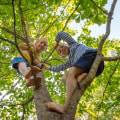
- Climbing Trees: This can be dangerous, especially if the tree is weak or has loose branches.
- Setting Up Tents or Campsites: Avoid placing tents directly under trees where branches could fall.
- Playing Games with High Impact: Activities like frisbee or football can lead to accidents if played too close to trees.
Emergency Preparedness for Falling Trees or Branches
When it comes to emergency preparedness for falling trees or branches, having a clear plan can make all the difference. Here are essential steps to take if you find yourself in such a situation:- Stay Calm: In the event of a tree or branch falling, your first reaction should be to remain calm.
Panic can lead to poor decision-making.
- Assess the Situation: Quickly evaluate your surroundings. Check for any immediate dangers, such as downed power lines or other falling debris.
- Ensure Safety: If you are in a vehicle, stay inside until it is safe to exit. If you are on foot, move away from the area where the tree has fallen.
- Contact Emergency Services: If there are injuries or significant damage, call 911 immediately. Provide them with your location and details about the incident.
- Notify Utility Companies: If the fallen tree has damaged power lines, contact your local utility company to report the issue.
Do not attempt to handle downed lines yourself.
- Document the Damage: Take photos of the fallen tree and any damage caused. This documentation can be crucial for insurance claims.
- Wait for Professionals: Do not attempt to remove the tree or branches yourself unless it is safe and you have the proper equipment. Wait for trained professionals to handle the situation.
FAQs About Tree Safety
When it comes to tree safety, many people have questions about how to protect themselves and others from potential hazards.Here are some frequently asked questions that can help clarify common concerns:
- What are the signs of a hazardous tree? Look for signs such as dead branches, cracks in the trunk, or mushrooms growing at the base. These can indicate that a tree is unhealthy and may pose a risk.
- How often should trees be inspected? It’s advisable to have trees inspected at least once a year, especially after severe weather events. Regular maintenance can help identify potential hazards before they become serious issues.
- Can I prune my own trees? While minor pruning can be done by homeowners, it’s best to hire a professional arborist for larger jobs. They have the expertise to safely remove branches without harming the tree or risking injury.
- Are all trees equally dangerous? Not all trees pose the same level of risk.
Some species are more prone to falling due to shallow root systems or structural weaknesses. Researching local tree species can provide insight into which ones may require more attention.
- Myth: Trees are only dangerous during storms. Fact: Trees can be hazardous at any time, especially if they are unhealthy or improperly maintained.
- Myth: If a tree looks healthy, it’s safe. Fact: A tree can appear healthy on the outside but still have internal issues that make it unsafe.
Conclusion: Key Takeaways on Tree Safety
In conclusion, tree safety is a critical aspect of maintaining a safe environment for ourselves and our communities. By understanding the risks associated with falling branches and trees, we can take proactive measures to mitigate these dangers. Here are the key takeaways to remember:- Regular Inspections: Conduct routine checks of trees on your property, looking for signs of disease, decay, or structural weakness.
- Professional Assessments: Engage certified arborists for comprehensive evaluations, especially for large or old trees that may pose a risk.
- Pruning and Maintenance: Regularly prune trees to remove dead or overhanging branches that could fall during storms or high winds.
- Awareness of Surroundings: Be mindful of your environment, especially during severe weather conditions.
Stay clear of areas with large trees during storms.
- Community Engagement: Encourage local authorities to maintain public trees and report any hazardous conditions promptly.