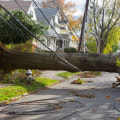
When it comes to maintaining a safe and healthy environment, tree safety is a critical aspect that often goes overlooked. Trees can enhance the beauty of our landscapes, provide shade, and contribute to the ecosystem. However, when a tree becomes damaged or poses a risk to property and people, understanding how to properly dispose of it is essential. This is where the importance of tree disposal comes into play. Fallen trees, whether due to storms, disease, or age, can create hazardous situations.
They may obstruct roads, damage homes, or even injure individuals. Therefore, knowing the right methods for fallen tree removal not only ensures safety but also promotes responsible environmental practices. Improper disposal can lead to further complications, such as pest infestations or soil degradation. In this section, we will explore the various aspects of tree safety and the best practices for disposing of fallen or removed trees. By understanding these principles, homeowners and landowners can make informed decisions that protect their property and community while respecting nature's balance.
Assessing the Situation: Is the Tree Hazardous?
When dealing with a fallen or removed tree, the first step is to conduct a thorough hazardous tree assessment.This evaluation helps determine if the tree poses any safety risks to your property or surrounding areas. Here are some key factors to consider:
- Signs of Decay: Look for visible signs of decay, such as soft or spongy wood, which can indicate that the tree is compromised. Fungi or mushrooms growing on the trunk or roots can also be a sign of internal rot.
- Cracks and Splits: Inspect the trunk and branches for any cracks or splits. These structural weaknesses can lead to further damage or even complete failure of the tree.
- Leaning Trees: A tree that leans significantly may be at risk of falling, especially if it has been uprooted or damaged in a storm.
Assess the angle of lean and the stability of the root system.
- Dead Branches: Check for dead or broken branches that could fall and cause injury or property damage. These branches should be removed promptly to ensure safety.
- Root Damage: Examine the root system for signs of damage, such as exposed roots or soil erosion around the base. Healthy roots are crucial for a tree's stability.
By being proactive in your evaluation, you can help ensure the safety of your property and those around you.
Safety Precautions Before Disposal
Before embarking on the disposal of a fallen or removed tree, it is crucial to prioritize tree safety by taking several essential precautions. These measures not only protect you but also ensure the safety of those around you.- Assess the Area: Before starting, survey the surrounding area for potential hazards such as power lines, nearby structures, or unstable ground. Ensure that there is ample space for the tree to fall safely if it is still standing.
- Wear Protective Gear: Equip yourself with appropriate protective gear to minimize the risk of injury. This includes:
- Hard hat: Protects your head from falling branches.
- Safety goggles: Shields your eyes from debris.
- Gloves: Provides grip and protects your hands from cuts and scrapes.
- Steel-toed boots: Safeguards your feet from heavy objects.
- Use Proper Tools: Ensure that you have the right tools for the job, such as chainsaws, axes, and ropes.
Make sure these tools are in good working condition and that you are familiar with their operation.
- Have a First Aid Kit Ready: Accidents can happen even with the best precautions. Keep a well-stocked first aid kit nearby in case of minor injuries.
- Inform Others: Notify neighbors or anyone nearby about your plans to dispose of the tree. This ensures they are aware of potential hazards and can maintain a safe distance.
Methods for Disposing of Fallen or Removed Trees
When it comes to tree safety, properly disposing of a fallen or removed tree is crucial not only for aesthetics but also for preventing potential hazards.Here are several effective methods for disposing of trees, each with its own advantages and disadvantages.
1.Cutting and Splitting
One of the most straightforward methods is to cut the tree into smaller pieces. This can be done using a chainsaw or hand saw. Once cut, the wood can be split into firewood. This method is cost-effective and allows you to utilize the wood for heating or outdoor fires.- Pros: Cost-effective, useful for firewood.
- Cons: Requires tools and physical effort; may not be suitable for large trees.
2.Chipping
If you have access to a wood chipper, chipping the tree can be an excellent option.This method reduces the tree into small chips that can be used as mulch in gardens or landscaping.
- Pros: Eco-friendly, provides mulch that enriches soil.
- Cons: Requires a chipper; may not be feasible for very large trees.
3.Hauling Away
If you prefer not to handle the disposal yourself, hiring a professional tree removal service is a safe and efficient option. These services typically include cutting, chipping, and hauling away the debris.- Pros: Convenient, ensures compliance with local regulations.
- Cons: Can be expensive; may require scheduling in advance.
4.Burning
In some areas, burning fallen trees is permitted as a disposal method. However, this requires checking local regulations and ensuring safety measures are in place.- Pros: Quick disposal method; reduces waste volume.
- Cons: Risk of fire hazards; legal restrictions may apply.
Recycling and Repurposing Tree Materials
When a tree falls or is removed, it can be tempting to simply dispose of the wood as waste.However, there are numerous eco-friendly options for recycling and repurposing the materials, which not only benefits the environment but also promotes sustainability.
Recycling Wood
- Mulching: One of the simplest ways to recycle fallen tree materials is by turning them into mulch. This can be done by chipping the wood into small pieces, which can then be used in gardens to suppress weeds and retain moisture.
- Wood Chips: Similar to mulch, wood chips can be used for landscaping projects, providing a natural aesthetic while also improving soil health.
- Firewood: If the tree is hardwood, consider cutting it into logs for firewood. This not only recycles the wood but also provides a sustainable heating source for your home.
Repurposing Fallen Trees
- Furniture and Decor: Fallen trees can be transformed into beautiful furniture pieces or decorative items. Tables, benches, and even art installations can be crafted from reclaimed wood.
- Garden Features: Use larger sections of the trunk to create natural garden features such as raised beds or tree stumps for seating.
- Wildlife Habitats: Leaving parts of the tree in your yard can provide habitats for various wildlife species.
Hollow logs and branches can serve as homes for birds and insects.
Community Resources
Many communities have programs dedicated to recycling wood from fallen trees. Check with local waste management services or environmental organizations to find out if they offer collection services or workshops on how to repurpose wood effectively.By choosing to recycle and repurpose fallen trees, you contribute to a more sustainable future while minimizing waste. Embracing these eco-friendly practices not only enhances your landscape but also supports local ecosystems.
Hiring Professionals vs. DIY Disposal
When it comes to tree safety and the disposal of a fallen or removed tree, one of the first decisions you’ll face is whether to hire professionals or attempt a DIY tree disposal.Each option has its own set of benefits and drawbacks that can significantly impact your safety and the environment.
Benefits of Hiring Professionals
- Expertise: Professional tree removal services have the training and experience to handle complex situations safely. They understand how to assess the tree's condition and the surrounding area, minimizing risks.
- Safety: Removing a tree can be dangerous, especially if it’s large or near structures. Professionals come equipped with the right tools and safety gear, reducing the risk of injury.
- Efficiency: Experts can often complete the job more quickly than an inexperienced individual, saving you time and effort.
- Disposal Services: Many professional services include disposal in their packages, ensuring that the tree is removed responsibly and in compliance with local regulations.
Drawbacks of Hiring Professionals
- Cost: Hiring professionals can be expensive, depending on the size of the tree and the complexity of the job.
- Scheduling: You may need to wait for availability, especially during peak seasons when tree removal services are in high demand.
Benefits of DIY Tree Disposal
- Cost-Effective: Doing it yourself can save you money on labor costs, making it an attractive option for those on a budget.
- Control: You have complete control over the process, from planning to execution, allowing for a personalized approach.
Drawbacks of DIY Tree Disposal
- Safety Risks: Without proper training and equipment, you could put yourself and others at risk. Accidents can lead to serious injuries or property damage.
- Lack of Expertise: Misjudging how to safely cut down or dispose of a tree can lead to complications, such as falling branches or improper disposal methods.
If safety is your primary concern or if you’re dealing with a large tree, it’s wise to consult with experts. However, if you have experience and feel confident in your abilities, DIY may be a feasible option. Always weigh the risks against your capabilities before making a decision.
Frequently Asked Questions About Tree Disposal Safety
When it comes to tree disposal, many homeowners have questions about the safest practices to follow. Here are some of the most frequently asked questions regarding tree safety and disposal methods:- What should I do with a fallen tree?
If a tree has fallen, assess the situation carefully.If it poses a danger to your property or nearby structures, contact a professional tree removal service. They have the expertise and equipment to handle the situation safely.
- Can I cut up the tree myself?
While it is possible to cut up a fallen tree yourself, it is crucial to prioritize safety. Ensure you have the right tools, wear protective gear, and understand how to operate them. If the tree is large or near power lines, it’s best to hire professionals. - How should I dispose of tree debris?
Tree debris can often be recycled or composted.Check with your local waste management service for guidelines on yard waste disposal. Many municipalities offer curbside pickup for branches and leaves.
- Is it safe to burn tree debris?
Burning tree debris can be hazardous and is subject to local regulations. Always check local laws regarding open burning, as it may not be allowed in your area due to fire risks. - What are safe practices for removing a tree?
When removing a tree, consider hiring a certified arborist or tree removal service. They follow safety protocols, including assessing the tree's condition, planning the removal process, and ensuring that surrounding areas are protected.
Conclusion: Key Takeaways on Tree Safety and Disposal
In conclusion, ensuring tree safety during the disposal of a fallen or removed tree is paramount for both environmental and personal safety.As we have discussed, improper disposal can lead to various hazards, including injury and property damage. Here are the key takeaways to remember:
- Assess the Situation: Before taking any action, evaluate the condition of the tree and its surroundings. If the tree has fallen due to disease or damage, it may pose additional risks.
- Consider Professional Help: Engaging a certified arborist or tree removal service can ensure that the tree is disposed of safely and efficiently. Professionals have the necessary equipment and expertise to handle hazardous situations.
- Follow Local Regulations: Always check local laws regarding tree disposal.
Some areas have specific guidelines for handling tree waste, especially if the tree is large or poses a risk to public safety.
- Utilize Eco-Friendly Methods: Whenever possible, opt for environmentally friendly disposal methods. This can include recycling wood into mulch or composting smaller branches and leaves.
- Safety First: If you choose to handle the disposal yourself, prioritize safety by wearing appropriate gear and using proper tools. Always have a plan in place in case of emergencies.