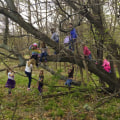
When considering a treehouse for your backyard, understanding tree safety is paramount. A treehouse can be a magical retreat for children, offering them a space to explore their imagination and connect with nature. However, the safety of the tree that will support this structure is crucial to ensure that it remains a safe haven rather than a potential hazard. Families must take into account various factors that influence treehouse safety, including the health of the tree, its species, and its location. Not all trees are created equal when it comes to supporting a treehouse.
Some species are more robust and can withstand the weight and movement associated with children playing, while others may be more susceptible to damage or decay. Additionally, the age and condition of the tree play significant roles in determining its ability to safely support a structure. Regular inspections for signs of disease, rot, or insect infestation are essential in maintaining backyard tree safety.Moreover, the placement of the treehouse within the tree is another critical aspect of ensuring safety. Properly positioning the platform and ensuring it is securely anchored can prevent accidents and provide peace of mind for parents.
By prioritizing tree safety, families can create a fun and secure environment for their children to enjoy their very own treehouse.
Assessing Your Trees for Safety
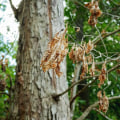
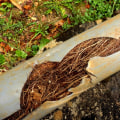
When considering a treehouse in your backyard, assessing the safety of your trees is crucial. A healthy tree not only provides a sturdy foundation for your treehouse but also ensures the safety of those who will use it. Here are some steps to evaluate the health and stability of your trees:- Inspect for Signs of Decay: Look for any visible signs of decay, such as soft or spongy wood, cracks in the trunk, or fungal growth. These can indicate that the tree is compromised and may not support a treehouse.
- Check for Disease: Be on the lookout for discolored leaves, wilting branches, or unusual growths.
Common tree diseases can weaken the structure and stability of a tree.
- Evaluate Structural Integrity: Assess the overall shape of the tree. A healthy tree should have a straight trunk and evenly spaced branches. Leaning trees or those with uneven canopies may pose risks.
- Examine Root Health: The roots are essential for stability. Check for exposed roots, soil erosion around the base, or signs of root rot, which can compromise the tree's ability to support weight.
Some species are naturally stronger and more suitable than others. For example, oak, maple, and pine trees are often recommended due to their robust structure and longevity.If you're unsure about your findings or need a professional opinion, it may be wise to consult an arborist. They can provide a thorough tree health check and help you determine whether your chosen tree is safe for a treehouse.
Choosing the Right Location for Your Treehouse
When it comes to building a treehouse, choosing the right location is crucial for ensuring both safety and enjoyment. Here are some essential factors to consider:- Distance from Power Lines: Always ensure that your treehouse is located a safe distance away from power lines.
This not only prevents potential electrical hazards but also allows for safer climbing and playing around the treehouse.
- Ground Stability: The ground beneath your treehouse should be stable and level. Avoid areas with loose soil or steep slopes, as these can lead to structural issues over time. Conduct a soil test if necessary to ensure it can support the weight of the treehouse and its occupants.
- Proximity to Other Structures: Consider how close your treehouse will be to other buildings, fences, or trees. A good rule of thumb is to maintain a distance of at least 10 feet from any structures to allow for safe play and prevent any potential damage during storms or high winds.
- Sunlight and Shade: Think about the amount of sunlight your treehouse will receive throughout the day.
While some children may enjoy a sunlit space, others might prefer a shaded area. Positioning your treehouse in a way that balances both can enhance comfort and usability.
- Tree Health: Assess the health of the tree you plan to use for your treehouse. Look for signs of disease or decay, such as dead branches or fungal growth. A healthy tree will provide better support and longevity for your structure.
Remember, proper planning today can lead to countless adventures tomorrow!
Designing a Safe Treehouse
When it comes to designing a safe treehouse, several key factors must be considered to ensure the structure is both enjoyable and secure. Proper planning and execution can prevent accidents and enhance the longevity of your treehouse.Weight Distribution
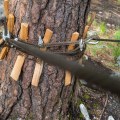
is crucial in treehouse design. The weight of the treehouse should be evenly distributed across the branches to avoid putting excessive strain on any single point. This can be achieved by:- Choosing a sturdy tree with a thick trunk and strong, healthy branches.
- Positioning the platform in a way that balances the load across multiple branches.
- Using a cantilever design, which allows for better weight distribution.
Opt for:
- Pressure-treated wood that resists rot and insect damage.
- Galvanized screws and bolts to prevent rusting and ensure durability.
- Non-toxic finishes to protect the wood without harming the environment or children.
- Build a solid foundation: Ensure that the base of your treehouse is securely anchored to the tree and that it can withstand wind and movement.
- Add safety features: Incorporate railings, ladders with non-slip surfaces, and sturdy access points to enhance safety.
- Regular maintenance: Periodically check for signs of wear or damage, such as loose screws or rotting wood, and address these issues promptly.
Building Codes and Regulations
When considering the construction of a treehouse in your backyard, it is crucial to understand the building codes and regulations that may apply. These legal requirements can vary significantly depending on your location, so it’s essential to check with your local government or zoning office before starting your project.Treehouse Building Codes
- Many municipalities have specific building codes that dictate how structures must be built to ensure safety and stability. This includes guidelines on materials, height, and structural integrity.
- Some areas may classify treehouses as play structures, while others may consider them as permanent structures, which can affect the regulations that apply.
Regulations for Backyard Structures
- In addition to building codes, there may be local regulations regarding the placement of backyard structures.
For instance, there could be restrictions on how close a treehouse can be to property lines or other structures.
- It’s also important to consider any homeowners’ association (HOA) rules that might impose additional restrictions on building a treehouse.
Permits for Treehouses
- In many cases, you will need to obtain a permit before constructing a treehouse. This process typically involves submitting plans that demonstrate compliance with local codes and regulations.
- The permit application may require inspections during and after construction to ensure that the treehouse meets safety standards.
Maintenance Tips for Treehouses and Trees
Maintaining a treehouse and the tree it’s built upon is essential for ensuring tree safety and prolonging the life of both structures. Regular maintenance not only enhances safety but also promotes the health of the tree, allowing it to thrive alongside your treehouse.Regular Checks for Safety
- Inspect the Tree: Conduct thorough inspections of the tree at least twice a year, ideally in spring and fall.
Look for signs of disease, such as discolored leaves or unusual growths, and check for any dead or weak branches that could pose a risk.
- Examine the Treehouse: Regularly check the structural integrity of the treehouse. Look for loose screws, rusted nails, or any signs of wear and tear on the platform and supports. Ensure that all safety features, like railings and ladders, are secure.
Seasonal Maintenance Routines
- Spring: After winter, clear away any debris from around the base of the tree and inspect for any damage caused by snow or ice. This is also a good time to prune any dead branches that could fall.
- Summer: Monitor the tree’s health closely during hot months.
Ensure it receives adequate water, especially if there are signs of drought stress. Check for pests that may harm the tree.
- Fall: As leaves begin to fall, clean up fallen leaves and branches to prevent mold and pests. This is also an ideal time to reinforce any loose parts of the treehouse before winter weather sets in.
- Winter: Inspect for ice damage and ensure that snow does not accumulate excessively on the treehouse. If necessary, remove snow to prevent structural strain.
Maintaining Tree Health
- Watering: Ensure your tree receives sufficient water, especially during dry spells.
Deep watering encourages strong root growth.
- Fertilization: Use organic fertilizers to promote healthy growth without harming the environment. Follow recommended guidelines based on your specific tree species.
- Pest Control: Keep an eye out for pests that can damage both the tree and the treehouse. Use natural pest control methods whenever possible to maintain ecological balance.
Common Safety Concerns and Solutions
When considering a treehouse for your backyard, it’s essential to address common safety concerns that may arise.Understanding these issues can help you create a safe and enjoyable environment for your children.
- Structural Integrity: One of the primary concerns is whether the tree can support the weight of the treehouse and its occupants. Trees that are diseased, dead, or have extensive damage may not be suitable. Regularly inspect the tree for signs of rot or insect infestation.
- Height and Fall Risks: The height of the treehouse can pose a significant risk. A fall from even a modest height can lead to serious injuries.
To mitigate this risk, consider building the treehouse no higher than 6-8 feet off the ground and installing safety railings around all open sides.
- Access and Egress: How children access the treehouse is crucial. Ladders should be sturdy and securely attached, while stairs should be wide enough to prevent slips. Ensure there’s a safe way to exit in case of emergencies.
- Weather Conditions: Treehouses can be affected by strong winds, heavy rain, or snow accumulation. Regularly check the structure after severe weather events to ensure it remains safe and intact.
- Choose the Right Tree: Select a healthy, mature tree with a strong trunk and deep roots.
Species like oak or maple are often ideal due to their strength.
- Regular Maintenance: Conduct routine inspections of both the tree and the treehouse. Look for any signs of wear or damage and make necessary repairs promptly.
- Safety Gear: Equip your treehouse with safety gear such as helmets for children when playing inside or around it. Consider using soft materials for flooring to cushion falls.
- Supervision: Always supervise children while they are playing in or around the treehouse. Establish rules about how many kids can be inside at once to prevent overcrowding.
Conclusion: Making an Informed Decision About Your Treehouse
In conclusion, deciding whether to build a treehouse in your backyard involves careful consideration of various factors related to tree safety.Throughout this article, we have explored the essential aspects that contribute to a safe and enjoyable treehouse experience. First and foremost, assessing the health and stability of the tree is crucial. A thorough inspection can help identify any signs of disease, decay, or structural weaknesses that could compromise the safety of the treehouse. Consulting with an arborist can provide valuable insights into the tree's condition and its suitability for supporting a treehouse. Additionally, understanding the design and construction methods is vital. A well-designed treehouse should distribute weight evenly and minimize stress on the tree.
Using appropriate materials and construction techniques can enhance both safety and durability. Moreover, considering local regulations and obtaining necessary permits is an important step in ensuring compliance with safety standards. This not only protects your investment but also ensures that your treehouse adheres to community guidelines. Finally, involving children in discussions about tree safety can foster a sense of responsibility and awareness. Teaching them about safe play practices and the importance of respecting nature will enhance their enjoyment while minimizing risks. By taking these factors into account, you can make an informed decision about building a treehouse that is not only fun but also safe for everyone involved. Remember, a well-planned treehouse can provide years of joy while ensuring that safety remains a top priority.