Understanding tree safety is crucial for homeowners and property managers alike, as it plays a significant role in maintaining a safe environment. Trees, while often seen as beautiful additions to our landscapes, can pose serious risks when they become dead or dying. These trees can fall unexpectedly, causing damage to property, injury to individuals, or even loss of life. Therefore, recognizing the signs of tree decline and taking appropriate action is essential for ensuring the safety of your surroundings. The importance of tree safety extends beyond immediate hazards; it also encompasses the overall health of your landscape.
Healthy trees contribute to the ecosystem by providing shade, improving air quality, and enhancing property value. Conversely, neglecting tree health can lead to a cascade of problems, including pest infestations and diseases that may spread to other plants. By prioritizing tree safety, you not only protect your property but also promote a thriving environment. In this article, we will explore effective methods for identifying and removing dead or dying trees while emphasizing the importance of professional assessment and intervention. Understanding the nuances of tree health and safety will empower you to make informed decisions that safeguard your home and community.
Identifying Dead or Dying Trees
Identifying a dead or dying tree is crucial for maintaining tree safety in your yard or property.Trees that are no longer healthy can pose significant risks, including falling branches or complete tree failure. Here are some key indicators to help you assess the health of your trees:
- Leaf Color and Condition: Healthy trees typically have vibrant green leaves. If you notice leaves that are yellowing, browning, or falling off prematurely, this may indicate stress or disease.
- Bark Health: Examine the bark for signs of damage. Cracks, peeling, or missing sections can suggest that the tree is struggling.
Additionally, if you see areas of decay or fungal growth, it’s a strong indicator of a dying tree.
- Branch Integrity: Check the branches for dead wood. If you find branches that are brittle and snap easily, or if they lack leaves during the growing season, these could be signs of a tree in decline.
- Tree Structure: A leaning tree may indicate root problems or instability. If a tree is leaning significantly to one side, it could be at risk of falling.
- Presence of Pests: Insects such as bark beetles can infest weakened trees. Look for holes in the bark or sawdust at the base of the tree, which can signal an infestation.
If you suspect that a tree is dead or dying, it’s advisable to consult with a certified arborist who can provide a professional assessment and recommend the best course of action.
Assessing the Risks of Tree Removal
Removing a dead or dying tree is not just a matter of aesthetics; it involves significant risks that must be carefully assessed to ensure tree safety. Understanding these risks can help prevent property damage and personal injury.One of the primary concerns during tree removal is the potential for property damage. A falling tree can cause extensive harm to homes, vehicles, and other structures. The direction in which a tree falls can be unpredictable, especially if it is leaning or has been compromised by disease or pests.Therefore, it is crucial to evaluate the surrounding area and identify any obstacles that could be affected.
Safety Concerns
- Personal Injury: Tree removal can be hazardous work. Chainsaws, falling branches, and unstable footing can lead to serious injuries. It is essential to wear appropriate safety gear, including helmets, gloves, and eye protection.
- Electrical Hazards: Trees that are close to power lines pose additional risks. Contact with live wires can result in electrocution or fires.
Always check for nearby electrical lines before proceeding with removal.
- Environmental Impact: Removing a tree can disrupt local ecosystems. Consider consulting with an arborist to understand the ecological implications of your actions.
Tree Removal Hazards
- Falling Debris: As branches are cut and the trunk is felled, debris can fall unpredictably. This necessitates a clear area around the tree where bystanders are kept at a safe distance.
- Equipment Malfunction: Tools used for tree removal, such as chainsaws and ropes, can malfunction or be misused, leading to accidents. Proper training and maintenance of equipment are vital.
- Ground Stability: The ground around a dying tree may be unstable due to root decay.
This instability can increase the risk of slips and falls during the removal process.
DIY Tree Removal: When Is It Safe?
When considering DIY tree removal, it’s crucial to assess whether it’s safe to tackle the job yourself. Not all trees are suitable for home removal, and understanding the conditions that allow for safe tree removal is essential.Assessing the Tree's Condition Before you grab your tools, evaluate the tree's health and location. If the tree is:- Less than 15 feet tall
- Not near power lines or structures
- Dead or dying but stable
However, if the tree is large, leaning dangerously, or has significant decay, it’s best to consult a professional.Necessary Tools for Safe Removal If you decide to proceed with removing a tree yourself, ensure you have the right tools:
- A chainsaw or handsaw for cutting
- A rope for guiding the fall direction
- Protective gear including gloves, goggles, and a hard hat
- Clear the area around the tree of any obstacles.
- Determine the direction in which you want the tree to fall.
- Make a notch cut on the side facing that direction.
- Create a back cut on the opposite side to allow the tree to fall safely.
Hiring Professional Tree Removal Services
When it comes to tree safety, hiring professional tree removal services is often the best course of action, especially for dead or dying trees. These experts possess the necessary skills and equipment to handle the complexities involved in tree removal, ensuring that the process is both safe and efficient.Expertise and Experience
- Professional arborists are trained to assess the condition of trees accurately.
They can determine whether a tree poses a risk to your property or surrounding structures.
- With years of experience, they understand the best techniques for removing trees without causing damage to nearby plants or landscapes.
Safety Measures
- Tree removal can be hazardous, particularly if the tree is large or located near power lines. Professionals are equipped with safety gear and follow strict protocols to minimize risks.
- They also have liability insurance, which protects you from potential damages or injuries that may occur during the removal process.
Benefits of Hiring Professionals
- Time Efficiency: Professionals can complete the job much faster than an untrained individual, saving you time and effort.
- Proper Disposal: After removal, professionals will handle the disposal of the tree debris, ensuring that your property remains clean and safe.
- Long-term Health: By hiring an arborist, you can also receive advice on maintaining other trees on your property, promoting their health and longevity.
Tree Removal Techniques and Best Practices
When it comes to tree removal, employing the right techniques and best practices is crucial for ensuring tree safety and minimizing risks. Here are some effective methods and considerations for safely removing a dead or dying tree.Tree Removal Techniques
- Felling: This is the most common method for removing a tree.
It involves cutting the tree down in one piece. To do this safely, you should assess the tree's lean and surrounding area to determine the direction of the fall.
- Sectional Dismantling: For trees in confined spaces or near structures, sectional dismantling is often the safest option. This technique involves cutting the tree into smaller sections, starting from the top and working downwards. It allows for greater control over where each piece lands.
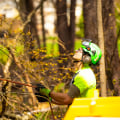
- Climbing and Rigging: For tall trees, professional arborists may use climbing gear and rigging techniques to safely lower branches and sections of the trunk.
This method requires specialized training and equipment.
Best Practices for Tree Removal
- Assess the Tree: Before beginning any removal process, evaluate the tree's condition, height, and proximity to structures or power lines.
- Use Proper Equipment: Ensure you have the right tools, such as chainsaws, ropes, and safety gear. A hard hat, gloves, and eye protection are essential for personal safety.
- Create an Escape Route: Plan your escape route before making any cuts. This ensures you can quickly move away from the falling tree.
- Check Local Regulations: Some areas require permits for tree removal. Always check local laws to avoid fines or legal issues.
Remember, when in doubt, consult with a professional arborist who can provide expertise in tree safety.
Post-Removal Considerations: Stump Grinding and Cleanup
Once a tree has been removed, the next steps involve addressing the remaining stump and managing the debris left behind. Proper post-tree removal cleanup is essential for maintaining tree safety in your yard and ensuring a visually appealing landscape.Stump Grinding Options
One of the most effective ways to deal with a tree stump is through stump grinding. This process involves using specialized equipment to grind the stump down to below ground level, allowing for new growth or landscaping options. Here are some common options:- Professional Stump Grinding Services: Hiring a professional service ensures that the job is done safely and efficiently.
They have the right tools and expertise to handle stumps of all sizes.
- DIY Stump Grinding: If you’re handy and have access to a stump grinder, you can tackle this project yourself. However, ensure you follow safety precautions and local regulations.
- Natural Decomposition: For those who prefer a more eco-friendly approach, you can allow the stump to decompose naturally. This process can take several years but requires minimal effort.
Managing Debris
After tree removal, managing debris is crucial for maintaining a safe environment. Here are some effective strategies:- Chipping: Consider renting a wood chipper to turn branches and smaller debris into mulch.
This not only reduces waste but also provides material that can be used in your garden.
- Disposal: Check with your local waste management services for guidelines on disposing of larger pieces of wood and branches. Many areas offer yard waste collection services.
- Reuse: Get creative by repurposing wood from the tree. It can be used for DIY projects, such as furniture or garden borders.
Frequently Asked Questions About Tree Safety and Removal
When it comes to tree safety, many homeowners have questions about the best practices for maintaining and removing trees.Here are some frequently asked questions that can help clarify common concerns.
- What signs indicate a tree is dying? Look for signs such as dead branches, peeling bark, and a lack of leaves during the growing season. If the tree has extensive decay or fungi at its base, it may be time to consider removal.
- How can I ensure my tree is safe? Regular inspections by a certified arborist can help identify potential hazards. They can assess the tree's health and recommend necessary actions, such as pruning or removal.
- Is it safe to remove a tree myself? While small trees can sometimes be removed safely by homeowners, larger trees pose significant risks. It’s advisable to hire professionals who have the right equipment and expertise to handle the job safely.
- What is the best time of year to remove a tree? Late fall or winter is often considered the best time for tree removal, as trees are dormant and there is less risk of disturbing wildlife or affecting surrounding plants.
- How do I prepare for tree removal? Before removal, ensure that you have contacted local authorities if necessary, and inform neighbors about the planned work.
Clear the area around the tree of any obstacles to facilitate safe removal.
Conclusion: Ensuring Tree Safety in Your Landscape
In conclusion, ensuring tree safety in your landscape is paramount for both aesthetic and practical reasons. The presence of dead or dying trees can pose significant risks, including property damage and personal injury. Therefore, understanding the best practices for tree removal is essential.Throughout this article, we have discussed various methods for identifying trees that may need to be removed, emphasizing the importance of regular inspections and monitoring for signs of decay or disease.It is crucial to act promptly when a tree shows these signs to mitigate potential hazards.When it comes to the actual removal process, consider the following key points:
- Assess the Situation: Evaluate the tree's location, size, and condition before proceeding with removal.
- Hire Professionals: For large or hazardous trees, enlisting the help of certified arborists ensures safe and effective removal.
- Follow Local Regulations: Be aware of any local laws regarding tree removal to avoid fines or legal issues.
- Consider Alternatives: In some cases, pruning or treating a tree may be a viable option instead of complete removal.