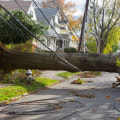
When it comes to maintaining a healthy landscape, tree safety is paramount, and one of the most telling signs of a tree's health is the presence of cracks in its trunk or branches. These cracks can manifest in various forms, from small fissures to large splits, and they often indicate underlying issues that could compromise the tree's structural integrity. Understanding the implications of these cracks is essential for any property owner or arborist, as they can lead to significant risks not only for the tree itself but also for nearby structures and individuals. Cracks in trees can arise from a variety of factors, including environmental stressors such as extreme weather conditions, pest infestations, or diseases. For instance, rapid temperature fluctuations can cause the bark to expand and contract, leading to cracks.
Additionally, trees that are improperly pruned or have sustained physical damage may also exhibit these signs of distress. Recognizing these signs of tree damage early on is crucial; failing to address them can result in further deterioration and even tree failure. As a responsible property owner, it is vital to monitor your trees regularly for any signs of cracking. Not only do these cracks serve as indicators of potential health issues, but they also pose safety hazards if left unchecked. A cracked tree may become unstable and could fall during storms or high winds, endangering people and property in its vicinity.
Therefore, understanding the significance of tree cracks and taking prompt action is essential for ensuring both tree safety and the overall health of your landscape.
Identifying the Types of Cracks in Trees
When assessing tree safety, it is crucial to recognize the different types of cracks that can appear in the trunk and branches of a tree. These cracks can indicate underlying issues that may compromise the health and stability of the tree. Here are the primary types of cracks you may encounter:- Vertical Cracks: These cracks run up and down the trunk or branches. They can be a sign of stress due to rapid growth, environmental factors, or disease.
Vertical cracks may not always be severe, but if they are deep or wide, they could indicate a more serious problem.
- Horizontal Cracks: Unlike vertical cracks, horizontal cracks extend across the trunk or branches. These are often more concerning as they can weaken the structural integrity of the tree. Horizontal cracks may result from heavy winds, improper pruning, or even pest infestations.
- Bark Splitting: This type of damage occurs when the outer layer of bark separates from the tree. Bark splitting can happen due to rapid temperature changes, excessive moisture, or physical injury.
While some trees can heal from minor bark splits, extensive damage can lead to decay and vulnerability to pests.
Assessing the Severity of Cracks in Trees
When you notice cracks in the trunk or branches of a tree, it is crucial to assess the severity of the damage to determine the tree's health and safety. Here are some key indicators and factors to consider:- Size of the Crack: Larger cracks, especially those wider than a quarter-inch, can indicate significant structural issues. Measure the crack's width and depth to gauge its severity.
- Location of the Crack: Cracks located on the trunk are generally more concerning than those on branches.
A crack that encircles the trunk can compromise the tree's stability.
- Presence of Decay: Check for signs of decay around the crack. Soft or spongy wood indicates rot, which can weaken the tree further.
- Tree Species: Some species are more resilient to damage than others. Understanding your tree's species can help in assessing its ability to recover from cracks.
- Overall Tree Health: Evaluate other aspects of the tree's health, such as leaf color, growth patterns, and any signs of disease or pest infestation. A healthy tree may better withstand minor cracks.
They can provide insights into whether the tree poses a risk and recommend appropriate actions, such as pruning or removal if necessary. Regular monitoring is essential for maintaining tree safety. If you notice changes in the condition of your tree over time, take immediate action to reassess its health and stability.
Immediate Actions to Take When You Notice Cracks
Discovering cracks in the trunk or branches of a tree can be alarming, as it may indicate underlying issues that could compromise the tree's health and safety. Here are the immediate actions you should take to ensure both your safety and the well-being of the tree.- Assess the Severity: Begin by examining the cracks closely. Are they superficial or deep? If the cracks are minor and do not extend into the wood significantly, the tree may still be healthy.
However, if you notice large splits or if the bark is peeling away, further action is necessary.
- Check for Other Symptoms: Look for additional signs of distress such as wilting leaves, discoloration, or fungal growth. These symptoms can indicate that the tree is struggling and may require professional evaluation.
- Ensure Safety: If the cracks are severe, assess whether there is a risk of falling branches or even the entire tree collapsing. Keep a safe distance and restrict access to the area until you can determine the next steps.
- Contact a Professional Arborist: If you are uncertain about the severity of the cracks or how to proceed, it’s best to consult with a certified arborist. They can provide a thorough assessment and recommend appropriate care or removal if necessary.
- Avoid DIY Repairs: While it may be tempting to try to fix cracks yourself, avoid using sealants or other materials that could trap moisture and lead to decay.
Professional treatment is often more effective.
When to Call a Professional Arborist
Noticing cracks in the trunk or branches of a tree can be alarming, and it raises important questions about tree safety. While some minor issues can be managed with basic care, there are specific scenarios where consulting a professional arborist is essential.- Severe Cracking: If the cracks are deep, wide, or appear to be worsening, it’s crucial to seek professional help. An arborist can assess the structural integrity of the tree and determine if it poses a risk to your property or nearby structures.
- Presence of Decay: Cracks may indicate internal decay or disease.
A professional arborist has the expertise to diagnose these issues accurately and recommend appropriate treatments or removal if necessary.
- Multiple Trees Affected: If you notice similar issues in multiple trees, it could signal a larger problem, such as a pest infestation or environmental stress. An arborist can conduct a thorough inspection and provide insights into the health of your entire landscape.
- Uncertain About Tree Health: If you’re unsure about the condition of your tree, it’s always better to err on the side of caution. Arborists offer comprehensive tree inspection services, which include evaluating the overall health and stability of your trees.
Their knowledge and experience are invaluable in safeguarding both your trees and your property.
Preventive Measures for Tree Health and Safety
To ensure the long-term health and safety of your trees, implementing preventive measures is essential. Regular maintenance not only enhances the aesthetic appeal of your landscape but also minimizes the risk of damage, including cracks in the trunk or branches.1.Regular Inspections
- Conduct routine inspections of your trees, looking for signs of stress such as cracks, peeling bark, or unusual growth patterns.
- Pay attention to the tree's overall structure and health, noting any changes that may indicate potential issues.
2.Pruning and Trimming
- Regularly prune dead or diseased branches to prevent them from becoming a hazard.
- Ensure that pruning is done correctly to avoid leaving large wounds that can lead to cracking.
- Consider hiring a professional arborist for larger trees or complex pruning tasks.
3.Proper Watering and Fertilization
- Maintain a consistent watering schedule, especially during dry spells, to keep your trees hydrated.
- Use mulch around the base of the tree to retain moisture and regulate soil temperature.
- Apply fertilizers as needed, focusing on those that promote healthy growth without over-fertilizing, which can lead to weak wood.
4.Pest and Disease Management
- Monitor for signs of pests or diseases that can weaken tree structure and lead to cracking.
- Implement integrated pest management (IPM) strategies to control infestations while minimizing harm to beneficial insects.
5.Environmental Considerations
- Avoid planting trees too close to structures or other trees, which can lead to competition for resources and increased stress.
- Be mindful of soil conditions; compacted soil can hinder root growth and stability.
Frequently Asked Questions About Tree Cracks and Safety
When it comes to tree safety, understanding the implications of cracks in the trunk or branches is crucial. Here are some frequently asked questions that can help clarify your concerns:- What causes cracks in tree trunks? Cracks can occur due to various factors, including rapid growth, environmental stress, or physical damage.
Trees may also develop cracks as a response to extreme weather conditions, such as high winds or heavy snowfall.
- Are all cracks dangerous? Not all cracks indicate a serious problem. Minor surface cracks may not affect the tree's health significantly. However, deep or extensive cracks can compromise the structural integrity of the tree and pose safety risks.
- How can I tell if my tree is at risk? Look for signs such as large cracks, peeling bark, or decay. If you notice any of these symptoms, it’s advisable to consult a certified arborist for a professional assessment.
- What should I do if I find a crack? If you discover a crack, assess its size and depth.
For minor cracks, ensure proper care through watering and mulching. For significant cracks, contact an arborist who can provide guidance on whether the tree needs treatment or removal.
- Can I prevent cracks in my trees? Yes! Regular maintenance such as proper pruning, adequate watering during dry spells, and avoiding damage from lawn equipment can help maintain tree health and reduce the risk of cracking.
Conclusion: Ensuring Tree Safety for a Healthy Landscape
In conclusion, addressing cracks in the trunk or branches of a tree is crucial for maintaining tree safety and ensuring a healthy landscape. Ignoring these signs can lead to more severe issues, including structural failure and potential hazards to people and property. By being proactive, you can significantly enhance the longevity and vitality of your trees. To summarize the key points discussed:- Regular Inspections: Conduct routine checks on your trees, especially after severe weather events, to identify any signs of damage.
- Prompt Action: If you notice cracks, it’s essential to assess the severity.
Minor cracks may require simple treatments, while significant damage could necessitate professional intervention.
- Consulting Professionals: Engaging a certified arborist can provide expert insights into the health of your trees and recommend appropriate measures for repair or removal.
- Tree Maintenance: Regular pruning, proper watering, and fertilization can strengthen trees, making them less susceptible to damage.