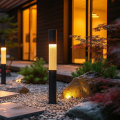
Fire pits have become a beloved feature in many backyards, offering a cozy gathering spot for family and friends. Their allure lies not only in the warmth they provide but also in the ambiance they create, making outdoor spaces more inviting. However, as their popularity has surged, so too have concerns regarding fire safety, particularly when it comes to their placement near trees and other flammable materials. While fire pits can enhance your outdoor experience, they also pose certain risks that homeowners must consider. The open flames and hot embers can easily ignite nearby vegetation, leading to potential disasters.
This is especially true in dry seasons when trees are more susceptible to catching fire. Understanding these risks is crucial for anyone looking to enjoy a fire pit safely. In this article, we will delve into the intricacies of tree safety in relation to fire pits. We will explore how to assess the safety of your fire pit's location, the types of trees that may pose greater risks, and best practices for maintaining a safe environment around your outdoor fire feature. By being informed and taking necessary precautions, you can enjoy the warmth and charm of a fire pit while minimizing the dangers associated with it.
The Importance of Tree Safety Around Fire Pits
When it comes to enjoying a cozy evening around a fire pit, tree safety should be a top priority.Trees provide shade, beauty, and habitat for wildlife, but they can also pose significant risks when placed too close to a fire pit. Understanding these risks is essential for both the health of your trees and the safety of your outdoor space.
Fire hazards
are one of the primary concerns when using a fire pit near trees. The heat generated by the flames can easily ignite dry leaves, branches, or bark, leading to potential fires that can spread quickly. Even if the tree appears healthy, its bark may be more flammable than you think, especially during dry seasons.Therefore, maintaining a safe distance between your fire pit and any trees is crucial.In addition to the immediate fire risks, using a fire pit near trees can also have long-term effects on their health. The intense heat can damage the tree's bark and cambium layer, which are vital for nutrient transport. This damage can lead to tree stress, making them more susceptible to pests and diseases.To protect your trees while enjoying your fire pit, consider the following safety measures:
- Maintain Distance: Keep your fire pit at least 10-15 feet away from any trees.
- Clear Debris: Regularly remove leaves and branches from around the fire pit area.
- Use Fire Screens: Invest in a quality fire screen to contain sparks and embers.
- Monitor Conditions: Avoid using the fire pit during windy or dry conditions that could increase fire risk.
Factors to Consider When Placing a Fire Pit Near Trees
When considering the placement of a fire pit near trees, several factors must be taken into account to ensure tree safety and minimize fire hazards.Understanding these factors can help you create a safe and enjoyable outdoor space.
Distance from Trees
The distance between your fire pit and nearby trees is crucial. A general rule of thumb is to maintain at least a 10-foot clearance from the fire pit to the nearest tree. This distance helps prevent heat from igniting tree branches or foliage, especially during windy conditions. Additionally, consider the height of the tree; taller trees may require greater distances to ensure safety.Type of Trees
The species of trees surrounding your fire pit also plays a significant role in determining safety.Some trees, such as evergreens, have resinous sap that can easily catch fire, while others may have dry leaves that are more susceptible to ignition. It’s advisable to avoid placing a fire pit near these types of trees. Instead, opt for hardwoods or deciduous trees that are less flammable.
Local Regulations
Before setting up your fire pit, check local regulations regarding fire pits and open flames. Many municipalities have specific guidelines about the distance required between fire pits and combustible materials, including trees.Compliance with these regulations not only ensures safety but also helps avoid potential fines or legal issues.In summary, when placing a fire pit near trees, consider the distance from the trees, the type of trees present, and any local regulations that may apply. By taking these factors into account, you can enjoy your fire pit while keeping both your property and surrounding vegetation safe.
Best Practices for Fire Pit Use Near Trees
When using a fire pit near trees, it is essential to follow best practices to ensure both safety and the protection of your trees. Here are some key guidelines to consider:- Maintain a Safe Distance: Always position your fire pit at least 10 to 20 feet away from any trees. This distance helps prevent heat damage to the tree bark and reduces the risk of fire spreading.
- Clear the Area: Before lighting a fire, clear the surrounding area of any dry leaves, twigs, or other flammable materials.
This minimizes the chances of an accidental fire.
- Use a Fire Pit Screen: A spark guard or screen can help contain embers and prevent them from escaping into the surrounding area, which is particularly important when near trees.
- Choose the Right Location: Opt for a flat, stable surface for your fire pit that is not directly under tree branches. This reduces the risk of branches catching fire from heat or sparks.
- Monitor Wind Conditions: Be aware of wind direction and speed before starting a fire. High winds can carry embers toward nearby trees, increasing the risk of ignition.
- Inspect Trees Regularly: Check for any signs of damage or disease in your trees. Healthy trees are less likely to catch fire than those that are stressed or dying.
- Prune Overhanging Branches: Trim any branches that hang too close to your fire pit.
This not only protects the tree but also reduces potential fire hazards.
- Consider Fire-Resistant Plants: If landscaping around your fire pit, choose plants that are less flammable. This can create a safer environment while enhancing your outdoor space.
Signs of Tree Damage from Fire Pit Use
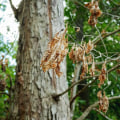
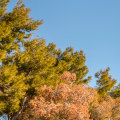
When using a fire pit near trees, it’s crucial to monitor for signs of tree damage. The heat and smoke produced by a fire pit can adversely affect the health of nearby trees. Here are some key indicators to look for:- Discoloration of Leaves: If you notice that the leaves on your trees are turning yellow or brown, this could be a sign of heat stress or smoke damage.
- Leaf Drop: An increase in leaf drop, especially during the growing season, may indicate that the tree is struggling due to environmental stressors from the fire pit.
- Bark Damage: Check for any signs of peeling or scorched bark.
This can occur if the heat from the fire pit is too intense and can lead to long-term damage.
- Dead Branches: Look for branches that appear dead or are not producing new growth. This could signify that the tree is suffering from heat exposure.
- Fungal Growth: The presence of fungi or mushrooms at the base of the tree can indicate decay, which may be exacerbated by heat and smoke.
Additionally, consider using a fire pit with a controlled flame and ensure that it is well-ventilated to reduce smoke accumulation. In cases where significant damage is evident, consulting with an arborist can provide insights into the health of your trees and recommend appropriate measures to restore their vitality. Regular monitoring and maintenance can help ensure that your outdoor space remains safe and enjoyable without compromising tree safety.
Frequently Asked Questions About Fire Pits and Tree Safety
When considering the placement of a fire pit, many homeowners have questions about tree safety and the potential risks involved. Here are some frequently asked questions that can help clarify these concerns:- Can a fire pit cause damage to nearby trees? Yes, a fire pit can potentially harm nearby trees if it is placed too close. The heat generated by the fire can scorch tree bark and foliage, leading to long-term damage or even death of the tree.
It is advisable to maintain a safe distance of at least 10 to 15 feet between your fire pit and any trees.
- What types of trees are more susceptible to fire damage? Certain species of trees, particularly those with thin bark or high resin content, are more vulnerable to fire damage. Examples include pine, cedar, and birch. These trees can ignite more easily and may suffer from severe damage even from moderate heat exposure.
- How can I protect my trees from fire pit heat? To protect your trees, consider the following:
- Choose a location for your fire pit that is at least 10-15 feet away from any tree.
- Use a fire pit with a screen or cover to contain sparks and embers.
- Regularly trim branches that hang low over the fire pit area.
- Are there any regulations regarding fire pits near trees? Local regulations may vary, so it’s essential to check with your municipality regarding any specific rules about fire pits and their proximity to trees. Some areas may have restrictions on open flames in wooded regions or during dry seasons.
Conclusion: Balancing Enjoyment and Safety with Fire Pits and Trees
In conclusion, enjoying a fire pit in your backyard can be a delightful experience, but it is crucial to prioritize tree safety to prevent potential hazards.As we have discussed, the proximity of fire pits to trees can pose risks such as fire spread and damage to the trees themselves. Therefore, understanding the balance between enjoyment and safety is essential.To ensure a safe environment while using a fire pit near trees, consider the following:
- Maintain Distance: Keep your fire pit at least 10-20 feet away from any trees. This distance helps minimize the risk of flames reaching the tree branches.
- Regular Maintenance: Trim back any overhanging branches and remove dry leaves or debris around the fire pit area. This practice reduces the chances of accidental fires.
- Choose Safe Materials: Opt for fire pits made from non-combustible materials and ensure they are designed for outdoor use.
This choice can help contain the fire and prevent it from spreading.
- Monitor Conditions: Be aware of weather conditions such as wind, which can carry embers towards trees. Avoid using your fire pit on windy days.