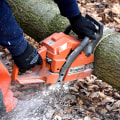
After a storm, your yard may resemble a battlefield, with fallen branches scattered across the landscape. While it might be tempting to rush out and start cleaning up, understanding tree safety is crucial to ensure your well-being and that of your property. Storms can cause significant damage not only to trees but also to the surrounding environment, making it essential to approach cleanup with caution. Fallen branches can pose various hazards, including sharp edges, unstable limbs, and even the risk of electrical hazards if they have come into contact with power lines. Before you begin the cleanup process, it’s important to assess the situation carefully.
Look for any signs of storm damage on trees that remain standing; cracked trunks or leaning trees may indicate that they are at risk of falling. This assessment will help you determine whether it’s safe to proceed with removal or if you need to call in a professional. Moreover, proper techniques for handling fallen branches can prevent injuries and further damage. Using the right tools and wearing appropriate safety gear is essential. As you prepare for yard cleanup, remember that prioritizing tree safety not only protects you but also ensures that your yard remains a safe and enjoyable space for you and your family.
Assessing the Damage: Evaluating Your Yard
After a storm, the first step in ensuring tree safety is to thoroughly assess the damage in your yard.This process involves evaluating not only fallen branches but also the overall health and stability of your trees. Begin by walking through your yard and looking for any visible signs of damage. Pay attention to:
- Fallen branches: Identify any branches that have fallen from trees. Note their size and location, as larger branches may pose a greater risk during removal.
- Tree leaning: Check if any trees are leaning significantly. A tree that has shifted position may indicate root damage, which can lead to further instability.
- Bark damage: Look for areas where the bark has been stripped away or damaged.
This can expose the tree to pests and diseases, compromising its health.
- Cracks or splits: Inspect the trunk and major limbs for cracks or splits. These can weaken the tree structure and increase the risk of falling.
Use a sturdy rake or grabber tool to collect debris, keeping a safe distance from any damaged trees. Always prioritize your safety and the integrity of your yard as you begin this cleanup process.
Safety Gear: What You Need Before You Start
When it comes to tree safety during cleanup after a storm, having the right safety gear is crucial. Proper protective equipment not only ensures your safety but also enhances your efficiency while removing fallen branches. Here’s a list of essential gear you should consider before starting your yard work:- Hard Hat: Protects your head from falling debris, especially if you’re working near larger trees.
- Safety Goggles: Shields your eyes from dust, flying wood chips, and other potential hazards.
- Gloves: A sturdy pair of work gloves will protect your hands from cuts and scrapes while providing a better grip on branches.
- Steel-Toed Boots: These boots offer protection for your feet against heavy branches and sharp objects on the ground.
- High-Visibility Vest: If you’re working near roadways or in areas with low visibility, wearing a bright vest can help ensure you are seen by others.
- Ear Protection: If you’re using power tools like chainsaws or chippers, earplugs or earmuffs can protect your hearing from loud noises.
It’s also wise to have a first aid kit on hand in case of minor injuries. Remember, the goal is to minimize risks while ensuring that you can safely and effectively clear your yard of fallen branches. Before you begin, take a moment to assess the area for any potential hazards such as downed power lines or unstable trees. If you encounter any dangerous situations, it’s best to call in professionals who specialize in tree removal safety. By equipping yourself with the right safety gear, you can tackle the cleanup process with confidence and care.
Tools for Safe Branch Removal
When it comes to safely removing fallen branches from your yard after a storm, having the right tools is essential for both efficiency and safety.Below are some recommended tools that can help you tackle this task effectively.
- Hand Saw: A sturdy hand saw is perfect for cutting smaller branches. Look for one with a comfortable grip and a sharp blade to make the job easier.
- Loppers: For branches that are too thick for hand saws, loppers provide the leverage needed to cut through larger limbs. Choose loppers with long handles for better reach and cutting power.
- Chainsaw: For heavy-duty branch removal, a chainsaw is invaluable. Ensure you are familiar with its operation and always wear protective gear, including gloves, goggles, and ear protection.
- Rake: After cutting branches, a rake will help you gather debris efficiently.
Opt for a wide rake to cover more ground quickly.
- Tarps: Using tarps can simplify the cleanup process. Lay them down to collect branches and leaves, making it easier to transport debris to your disposal area.
- Inspect Tools: Before use, check all tools for damage or wear. A faulty tool can lead to accidents.
- Wear Protective Gear: Always wear appropriate safety gear such as gloves, goggles, and sturdy footwear to protect yourself from falling debris and sharp tools.
- Work in Daylight: Ensure you have adequate lighting when working. This will help you see potential hazards and avoid accidents.
Step-by-Step Guide to Removing Fallen Branches
After a storm, it’s crucial to safely remove fallen branches from your yard to prevent injuries and further damage.Follow this step-by-step guide to ensure a thorough and safe cleanup process.
- Assess the Area: Before you start, walk around your yard to identify all fallen branches. Look for any that may be tangled in power lines or are too large to handle safely.
- Wear Protective Gear: Equip yourself with safety goggles, gloves, and sturdy footwear. This will protect you from sharp edges and falling debris.
- Determine Branch Size: Classify the branches into three categories: small (under 2 inches in diameter), medium (2-6 inches), and large (over 6 inches). This will help you decide on the appropriate tools for removal.
- Use the Right Tools: For small branches, a pair of loppers or pruning shears will suffice.
Medium branches may require a handsaw, while large branches should be cut with a chainsaw. Always ensure your tools are in good condition.
- Cutting Techniques: When cutting branches, make sure to cut at an angle to prevent tearing the bark of the tree. For larger branches, use the three-cut method: make an undercut about a foot from the trunk, then cut down from above to prevent the branch from splitting.
- Clear the Area: As you remove branches, clear them from your workspace to avoid tripping hazards. Stack them in a designated area for disposal.
- Disposal Methods: Depending on local regulations, you can either chip the branches for mulch, take them to a yard waste facility, or arrange for curbside pickup.
Ensure you follow any guidelines provided by your municipality.
When to Call a Professional: Knowing Your Limits
After a storm, the sight of fallen branches can be daunting, especially when it comes to assessing which ones you can safely remove yourself. Understanding tree safety is crucial, and knowing when to call a professional can prevent accidents and injuries.When to Hire a Tree Service
- Large Branches: If the branches are significantly large or heavy, it’s best to call in a professional. Attempting to lift or cut these branches without the right equipment can lead to serious injuries.
- Branches Near Power Lines: If fallen branches are close to power lines, do not attempt to remove them yourself.
Contact your local utility company or a certified tree service to handle the situation safely.
- Unstable Trees: If you notice that the tree itself is leaning or appears unstable, it’s a clear sign that you should seek professional help. An unstable tree can pose a risk of falling further or causing additional damage.
- Multiple Trees Affected: If your yard has multiple trees downed or damaged, hiring a professional service can save you time and ensure that the job is done correctly.
Limits of DIY Branch Removal
While many homeowners may feel confident in their ability to handle minor clean-up tasks, it’s essential to recognize your limits. Here are some factors to consider:
- Experience Level: If you lack experience with chainsaws or heavy equipment, it’s wise to leave the job to professionals who are trained in safe removal techniques.
- Safety Gear: Proper safety gear is essential for any tree work. If you don’t have access to helmets, gloves, and protective eyewear, it’s better to hire someone who does.
- Time Constraints: If you’re pressed for time or overwhelmed by the amount of debris, a professional service can efficiently clear your yard without compromising safety.
When in doubt, don’t hesitate to reach out to a professional tree service for assistance. They have the expertise and equipment necessary to handle hazardous situations effectively.
Post-Cleanup: Ensuring Ongoing Tree Safety
After you have safely removed fallen branches and debris from your yard, it’s crucial to focus on ongoing tree safety to prevent future damage. Regular maintenance and proactive measures can significantly reduce the risk of storm-related issues.Regular Tree Maintenance
Start by assessing the health of your trees. Look for signs of disease or decay, such as:- Discolored leaves
- Cracks in the bark
- Dead branches
Regular pruning is essential; it helps maintain the structure of the tree and removes weak or dead branches that could pose a risk during storms.
Preventive Measures
In addition to regular maintenance, implementing preventive measures can enhance tree safety. Here are some tips:- Mulching: Apply mulch around the base of your trees to retain moisture and protect roots.
- Watering: Ensure your trees receive adequate water, especially during dry spells, to promote strong root systems.
- Fertilization: Use appropriate fertilizers to support healthy growth, but avoid over-fertilizing, which can weaken trees.
- Root Protection: Avoid compacting soil around tree roots by limiting foot traffic and heavy equipment use in those areas.
FAQs About Tree Safety and Branch Removal
When it comes to tree safety and the removal of fallen branches after a storm, many homeowners have questions.Here are some frequently asked questions that can help clarify the process and ensure safety.
What should I do first after a storm?
After a storm, the first step is to assess the situation. Look for any immediate hazards, such as downed power lines or unstable trees. If you notice any dangerous conditions, it’s best to contact local authorities or a professional tree service.How can I tell if a branch is safe to remove?
Before attempting to remove any branches, check for:- Stability: Ensure the branch is not still attached to a live tree that may be unstable.
- Size: If the branch is larger than 4 inches in diameter, consider hiring a professional.
- Location: Avoid branches near power lines or structures.
Is it safe to remove branches myself?
If you have experience and the right tools, you may safely remove small branches. However, for larger branches or those in precarious positions, it’s advisable to hire a certified arborist.They have the expertise and equipment to handle the job safely.
What equipment do I need for branch removal?
If you decide to tackle smaller branches yourself, here are some essential tools:- Pruning shears: For small branches.
- Saw: A hand saw or chainsaw for larger limbs.
- Safety gear: Gloves, goggles, and a hard hat to protect yourself.
How do I dispose of fallen branches?
You can dispose of fallen branches by:- Chipping: Rent a wood chipper for smaller branches.
- Curbside pickup: Check with your local waste management for branch collection services.
- Composting: If they are small enough, consider composting them.
Conclusion: Key Takeaways for Safe Yard Cleanup After a Storm
In conclusion, safely removing fallen branches from your yard after a storm is crucial for both your safety and the health of your landscape. Here are the key takeaways to keep in mind:- Assess the Situation: Before you begin cleanup, take a moment to evaluate the area. Look for any hazards such as downed power lines or unstable trees that may pose a risk.
- Wear Protective Gear: Always equip yourself with appropriate safety gear, including gloves, goggles, and sturdy footwear. This will help protect you from injuries while handling debris.
- Use Proper Tools: Invest in quality tools designed for yard work.
A chainsaw, pruning saw, or loppers can make the job easier, but ensure you know how to use them safely.
- Work Methodically: Start from the outer edges of your yard and work your way inward. This approach helps you maintain control over the cleanup process and reduces the risk of accidents.
- Consider Professional Help: If you encounter large branches or trees that are difficult to manage, don’t hesitate to call in professionals. They have the expertise and equipment to handle such situations safely.