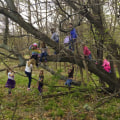
Tree climbing is a beloved childhood activity that often evokes feelings of adventure and freedom. However, it is essential to recognize the risks associated with tree climbing, particularly for young children. Each year, thousands of children are treated for injuries related to climbing trees, ranging from minor scrapes to severe fractures and head injuries. Understanding these potential dangers is crucial for parents and guardians who want to ensure their children's safety while still allowing them to explore the outdoors. Common injuries from tree climbing include falls, which can lead to broken bones, concussions, and even more serious outcomes.
According to recent statistics, approximately 50% of tree-related injuries occur in children aged 5 to 14 years. This age group is particularly vulnerable due to their developing motor skills and risk-taking behavior. Additionally, factors such as the height of the tree, the condition of its branches, and the surrounding environment can significantly increase the likelihood of accidents. Moreover, many parents may underestimate the dangers posed by seemingly harmless trees in their backyards or local parks. Trees with weak or dead branches can easily break under a child's weight, leading to unexpected falls.
By understanding these tree climbing risks, caregivers can take proactive steps to mitigate potential hazards and create a safer play environment for their children.
Setting Clear Boundaries and Rules
Establishing clear boundaries and rules regarding tree climbing is essential for ensuring child safety. By communicating effectively with your children about the potential dangers associated with climbing trees, you can help them make informed decisions.1.Discuss the Risks:
Begin by having an open conversation with your children about the risks involved in climbing trees. Explain how falls can lead to serious injuries and emphasize the importance of being cautious. Use age-appropriate language to ensure they understand the message.
2.Set Specific Rules:
Create a list of tree climbing rules that your children must follow.
For example:
- No climbing trees taller than a certain height.
- Always climb with a buddy.
- Avoid climbing during wet or windy conditions.
- Stay within designated safe areas for climbing.
3.Encourage Safe Practices:
Teach your children safe climbing techniques, such as:
- Using sturdy branches for support.
- Avoiding branches that appear weak or dead.
- Climbing down headfirst only when necessary.
4.Lead by Example:
As a parent, demonstrate safe behavior around trees. Show your children how to assess a tree's safety before climbing and discuss your thought process as you do so. This not only reinforces the rules but also builds trust and encourages them to approach tree climbing responsibly.
5.Regular Check-ins:
Periodically revisit the topic of tree safety with your children.
Ask them about their experiences and whether they have encountered any situations that made them feel unsafe. This ongoing dialogue will help reinforce the importance of following the established rules and adapting them as necessary.By setting clear boundaries and maintaining open communication, you can significantly reduce the risks associated with tree climbing while allowing your children to enjoy outdoor activities safely.
Creating a Safe Outdoor Environment
Creating a safe outdoor environment is essential for preventing children from climbing trees and reducing the risk of injuries. By thoughtfully designing play areas and landscaping, you can encourage safe play while discouraging risky behaviors.1.Designated Play Areas:
Establish specific zones for play that are free from trees. Consider installing:- Playgrounds: Equip them with age-appropriate structures, swings, and slides that provide safe alternatives to tree climbing.
- Sandboxes: These can be a great way for children to engage in creative play without the risks associated with climbing.
- Sports Areas: Designate spaces for sports like soccer or basketball, which can keep children active and focused on safe activities.
To enhance outdoor safety, consider the following:
- Avoid Climbing Trees: If possible, choose non-climbable tree species or remove low-hanging branches that may tempt children.
- Install Fencing: A fence around your yard can help keep children within safe boundaries and away from trees that pose a climbing risk.
- Use Shrubs and Hedges: Plant dense shrubs or hedges around tree bases to create a physical barrier that discourages climbing.
Educating Children About Tree Safety
Educating children about tree safety is crucial in preventing accidents and ensuring they understand the potential dangers associated with climbing trees. Parents can take proactive steps to instill awareness and promote safe behaviors.1.Discuss the Risks:
Begin by having an open conversation with your children about the risks involved in climbing trees.
Explain how heights, unstable branches, and nearby hazards like power lines can lead to serious injuries. Use age-appropriate language to ensure they grasp the concept.
2.Identify Safe Trees:
Take your children on a nature walk to identify trees that are safe for climbing. Look for trees with thick, sturdy branches and a strong trunk. Teach them to recognize trees that are not suitable for climbing, such as those with dead or weak branches.
3.Set Clear Rules:
Establish clear rules regarding tree climbing.
For instance, you might set a height limit or designate specific trees that are off-limits. Make sure your children understand these rules and the reasons behind them.
4.Role-Playing Scenarios:
Engage your children in role-playing exercises where they can practice making safe decisions. Present various scenarios, such as spotting a broken branch or noticing a tree leaning dangerously, and ask them how they would respond.
5.Encourage Communication:
Foster an environment where your children feel comfortable discussing their activities with you. Encourage them to come to you if they ever feel unsure about climbing a tree or if they encounter a situation that seems unsafe.
6.Use Visual Aids:
Consider using visual aids like posters or videos that illustrate safe climbing practices and highlight the dangers of unsafe tree climbing.
This can reinforce their learning and make the information more memorable.By implementing these strategies, parents can effectively educate their children about tree safety, helping them develop a keen awareness of their surroundings and make informed decisions when it comes to climbing trees.
Supervision and Monitoring Techniques
When it comes to tree safety, one of the most effective strategies for preventing children from climbing trees is through vigilant supervision. Active adult involvement not only helps in monitoring children's activities but also in guiding them towards safer play options.Establishing a Supervision Routine
- Designate a Play Area: Create a specific outdoor space where children can play safely. This area should be free from trees that pose climbing risks.
- Set Clear Boundaries: Communicate to children the areas where they are allowed to play and the activities that are acceptable. Make sure they understand the dangers of climbing trees.
- Regular Check-Ins: If you cannot be directly next to your child, make it a habit to check in frequently.
This can be done verbally or by visually scanning the area.
Engaging with Children
- Participate in Outdoor Activities: Join your children in their outdoor play. This not only keeps them engaged but also allows you to redirect their attention away from climbing trees.
- Teach About Risks: Use age-appropriate language to explain why climbing trees can be dangerous. Discuss potential injuries and encourage safer alternatives.
- Model Safe Behavior: Show your children how to enjoy nature without climbing trees. Engage in activities like playing ball, riding bikes, or exploring nature trails.
Utilizing Technology
If you find it challenging to keep an eye on your children at all times, consider using technology to assist you.
Baby monitors or outdoor cameras can provide an extra layer of security, allowing you to monitor their activities from a distance.In conclusion, effective supervision and monitoring techniques are essential for ensuring tree safety. By actively engaging with your children and establishing clear guidelines, you can significantly reduce the risk of tree climbing and its associated dangers.
Alternative Activities to Encourage Safe Play
While tree climbing can be an exhilarating experience for children, it also poses significant risks. To promote tree safety and ensure that kids engage in safe play, consider introducing them to a variety of alternative activities that are both fun and secure.Creative Outdoor Activities
- Obstacle Courses: Set up a backyard obstacle course using cones, ropes, and hula hoops. This encourages physical activity while enhancing coordination and balance.
- Nature Scavenger Hunts: Create a list of items for children to find in your yard or local park, such as specific leaves, rocks, or flowers.
This activity promotes exploration and appreciation for nature without the risks of climbing.
- Gardening: Involve children in gardening tasks like planting flowers or vegetables. This not only teaches them about nature but also instills a sense of responsibility.
Engaging Indoor Alternatives
- Arts and Crafts: Encourage creativity through arts and crafts projects. Use natural materials like leaves and twigs to create unique art pieces.
- Indoor Fort Building: Let children use blankets, pillows, and furniture to build their own forts. This imaginative play can be just as thrilling as climbing trees.
- Board Games and Puzzles: Engage children with board games or puzzles that challenge their minds while keeping them safely indoors.
Encouraging safe activities not only protects them from potential injuries associated with tree climbing but also helps develop their physical and cognitive skills in a secure environment.
FAQs About Tree Safety for Children
When it comes to tree safety for children, parents often have numerous questions. Here are some of the most frequently asked questions that can help clarify concerns and provide guidance.- What age is appropriate for children to climb trees?
Generally, children aged 6 and older can begin to climb trees, but it’s essential to assess their physical abilities and understanding of safety rules. Always supervise younger children closely. - How can I ensure the tree is safe for climbing?
Before allowing your child to climb, inspect the tree for any hazards such as dead branches, weak trunks, or proximity to power lines. A healthy tree with sturdy branches is ideal. - What safety gear should children wear when climbing?
While there is no specific climbing gear for casual tree climbing, consider having your child wear a helmet to protect against head injuries.Closed-toe shoes with good grip are also recommended.
- How can I teach my child about safe climbing practices?
Educate your child on the importance of climbing only on strong branches, not exceeding a certain height (like 10 feet), and avoiding climbing when wet or windy. Role-playing scenarios can help reinforce these lessons. - What should I do if my child falls from a tree?
If a fall occurs, assess the situation immediately. Check for any visible injuries and call for medical help if necessary. It’s also important to talk to your child about what happened to prevent future incidents.
Conclusion: Key Takeaways for Parents on Tree Safety
In conclusion, ensuring tree safety for children is a critical responsibility for parents and guardians.By understanding the risks associated with tree climbing and implementing effective preventive measures, you can significantly reduce the likelihood of accidents. Here are some key takeaways to keep in mind:
- Educate Your Children: Teach your kids about the dangers of climbing trees, including the risk of falls and injuries. Make sure they understand that not all trees are safe to climb.
- Set Clear Boundaries: Establish specific rules regarding tree climbing. Designate safe areas where climbing is allowed, and ensure children know which trees are off-limits.
- Supervise Outdoor Play: Always keep an eye on your children while they play outside. Active supervision can help prevent risky behavior and allow you to intervene if necessary.
- Provide Alternatives: Encourage your children to engage in safer outdoor activities, such as playing on playground equipment or participating in organized sports.
This can help satisfy their adventurous spirit without the risks associated with climbing trees.
- Regularly Inspect Trees: If you have trees in your yard, regularly check their condition. Look for weak branches or signs of decay that could pose a danger if climbed.