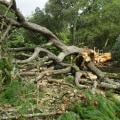
When it comes to maintaining a safe environment, tree safety is often overlooked, yet it plays a crucial role in preventing accidents that can lead to serious injuries or property damage. Trees, while beautiful and beneficial to our ecosystem, can pose significant risks if not properly cared for or monitored. Understanding the common causes of tree accidents is essential for homeowners, landscapers, and anyone who interacts with these towering giants. Many factors contribute to tree-related incidents, ranging from natural elements like severe weather to human error in maintenance practices. For instance, high winds can uproot trees or break branches, leading to dangerous situations.
Additionally, improper pruning techniques can weaken a tree's structure, making it more susceptible to falling. As we delve deeper into the topic of tree safety, it becomes evident that awareness and proactive measures are key in mitigating these risks. In this article, we will explore the various causes of tree accidents and highlight the importance of regular inspections and maintenance. By understanding these factors, we can foster a culture of safety that not only protects individuals but also preserves the beauty and integrity of our natural surroundings.
Understanding Tree Accidents
Tree accidents refer to incidents involving trees that result in injury, property damage, or even fatalities. These accidents can occur in various settings, from residential areas to commercial properties and public parks.Understanding the types of tree accidents is crucial for implementing effective tree safety measures.
Types of Tree Accidents
- Falling Trees: One of the most common types of tree accidents occurs when a tree falls due to factors such as disease, decay, or severe weather conditions. These incidents can lead to significant damage to vehicles, homes, and infrastructure.
- Tree Branch Failures: Large branches can break off and fall unexpectedly, posing a serious risk to anyone nearby. This type of accident often occurs during storms or high winds.
- Chainsaw Injuries: When trees are being trimmed or removed, improper use of chainsaws can lead to severe injuries. Safety precautions are essential when operating such equipment.
- Electrocution: Trees that grow too close to power lines can cause electrocution hazards.
When branches come into contact with live wires, they can create dangerous situations for both workers and bystanders.
Tree Accident Statistics
According to recent studies, tree-related accidents account for a significant number of injuries each year. The National Safety Council reports that approximately 100 fatalities occur annually due to falling trees and branches in the United States alone. Furthermore, thousands of injuries are treated in emergency rooms related to tree accidents, highlighting the importance of tree safety.In light of these statistics, it is evident that proactive measures must be taken to mitigate risks associated with trees. Regular inspections, proper maintenance, and adherence to safety guidelines can significantly reduce the likelihood of tree accidents and enhance overall public safety.Common Causes of Tree Accidents
Understanding the common causes of tree accidents is crucial for promoting tree safety and preventing injuries.Several factors contribute to these incidents, and recognizing them can help mitigate risks.
- Weather Conditions: Severe weather, such as high winds, heavy rain, or snow, can weaken trees and increase the likelihood of branches breaking or entire trees falling. Storms are a significant contributor to tree-related accidents.
- Tree Health: Trees that are diseased, decayed, or infested with pests are more prone to failure. Regular inspections can help identify unhealthy trees before they pose a danger.
- Improper Pruning: Incorrect pruning techniques can lead to structural weaknesses in trees. It’s essential to hire professionals who understand the proper methods to maintain tree health and safety.
- Proximity to Structures: Trees that grow too close to buildings, power lines, or other structures can cause accidents when branches fall or when the tree itself collapses.
Maintaining a safe distance is vital.
- Human Activity: Activities such as construction, landscaping, or even recreational use of equipment like chainsaws can inadvertently lead to tree accidents. Awareness and caution are necessary when working near trees.
Environmental Factors Contributing to Tree Accidents
Environmental factors play a crucial role in tree safety, as they can significantly increase the risk of tree accidents. Understanding these factors is essential for homeowners, landscapers, and municipalities alike.Weather Conditions
- High Winds: Strong winds can uproot trees or break branches, especially in species that are already weakened by disease or age.
Regular inspections can help identify trees that may be at risk during stormy weather.
- Heavy Rain: Excessive rainfall can saturate the soil, leading to instability in tree roots. This condition makes trees more susceptible to falling over, particularly in areas with poor drainage.
- Snow and Ice: Accumulation of snow and ice on branches can add significant weight, causing limbs to snap or entire trees to collapse. It’s important to monitor trees during winter months and remove excess snow when safe to do so.
Natural Disasters
- Hurricanes: These powerful storms can cause widespread destruction, uprooting trees and causing them to fall onto homes and vehicles. Proper tree maintenance before hurricane season can mitigate some risks.
- Tornadoes: The intense winds associated with tornadoes can obliterate trees in their path.
Communities in tornado-prone areas should have emergency plans that include tree safety measures.
- Earthquakes: While not as common, earthquakes can destabilize the ground around trees, leading to falls. Understanding local geology and planting trees appropriately can help reduce this risk.
Human Factors in Tree Accidents
Tree accidents often stem from human error, which can manifest in various forms, particularly in the realms of negligence and improper maintenance. Understanding these factors is crucial for enhancing tree safety and preventing potential hazards.Negligence in Tree Care
- Failure to Inspect: Regular inspections are vital for identifying signs of disease, decay, or structural weakness.
Neglecting this responsibility can lead to unforeseen accidents.
- Ignoring Warning Signs: Trees often exhibit symptoms before they become hazardous. Ignoring issues such as dead branches or fungal growth can result in catastrophic failures.
- Lack of Professional Help: Attempting to manage tree care without the expertise of a certified arborist can lead to improper pruning or treatment, increasing the risk of accidents.
Improper Maintenance of Trees
- Poor Pruning Practices: Incorrect pruning techniques can weaken a tree's structure, making it more susceptible to falling during storms or high winds.
- Inadequate Watering and Fertilization: Trees that are not properly nourished may develop weak root systems, leading to instability and increased risk of toppling.
- Failure to Remove Hazardous Trees: Trees that are dead or dying should be removed promptly. Delaying this action can pose significant risks to people and property.
By recognizing the role of human error in tree accidents, we can take proactive steps to mitigate risks and ensure a safer environment for everyone.
Preventative Measures for Tree Safety
Ensuring tree safety is essential for preventing accidents and protecting both people and property. Here are some effective tree safety tips to consider:- Regular Inspections: Conduct routine checks of your trees, looking for signs of disease, decay, or damage. Pay attention to branches that are dead or hanging precariously.
- Professional Assessments: Hire a certified arborist to evaluate the health and stability of your trees, especially if they are large or near structures.
- Proper Pruning: Regularly prune trees to remove weak or dead branches. This not only promotes healthy growth but also reduces the risk of falling limbs.
- Avoid Overcrowding: Ensure that trees have enough space to grow without competing for resources.
Overcrowded trees are more susceptible to disease and structural failure.
- Safe Planting Practices: When planting new trees, choose appropriate species for your location and ensure they are planted at a safe distance from power lines, buildings, and other structures.
- Awareness of Surroundings: Be mindful of your environment when working or playing near trees. Look out for low-hanging branches or unstable ground.
- Use Proper Equipment: If you need to trim or remove trees, use the right tools and safety gear. Consider hiring professionals for larger jobs.
- Emergency Preparedness: Have a plan in place for emergencies related to tree accidents.
Know who to call and how to respond if a tree falls or causes damage.
FAQs About Tree Safety and Accidents
When it comes to tree safety, understanding the common questions surrounding tree accidents can help prevent injuries and property damage. Here are some frequently asked questions:- What are the most common causes of tree accidents?
Tree accidents often occur due to factors such as severe weather conditions, improper pruning techniques, and lack of maintenance. Additionally, trees that are diseased or infested with pests can become unstable and pose a risk. - How can I identify a hazardous tree?
Look for signs such as dead branches, cracks in the trunk, or mushrooms growing at the base. If a tree leans significantly or has roots that are exposed, it may also be a sign of instability. - What should I do if I suspect a tree is dangerous?
It’s best to consult a certified arborist who can assess the tree's health and stability.They can provide recommendations for removal or treatment if necessary.
- How can I stay safe around trees during storms?
During severe weather, avoid standing under trees or parking vehicles near them. Stay indoors if possible, and keep an eye on local weather alerts. - Are there safety measures for tree maintenance?
Yes! Always use proper equipment when pruning or cutting trees. Wear protective gear and consider hiring professionals for large jobs to ensure safety.
Conclusion: The Importance of Tree Safety Awareness
In conclusion, understanding tree safety is crucial for preventing accidents and ensuring the well-being of both individuals and the environment. Throughout this article, we have explored various factors that contribute to tree-related incidents, including improper maintenance, adverse weather conditions, and lack of awareness among the public.To mitigate these risks, it is essential to adopt a proactive approach to tree safety.Here are some key takeaways:
- Regular Inspections: Conducting routine assessments of trees can help identify potential hazards such as dead branches or signs of disease.
- Professional Care: Engaging certified arborists for tree trimming and removal ensures that these tasks are performed safely and effectively.
- Public Education: Raising awareness about the importance of tree safety can empower communities to take action and report unsafe conditions.
- Emergency Preparedness: Having a plan in place for severe weather events can minimize damage and enhance safety during storms.