When it comes to tree safety during severe weather, understanding the potential risks and necessary precautions is crucial for homeowners and property managers alike. Severe weather events, such as thunderstorms, hurricanes, and heavy snowfalls, can pose significant threats to trees, leading to property damage and personal injury. As trees are often the tallest structures in a landscape, they can become lightning rods or suffer from wind throw, making it essential to prioritize their care and maintenance. Proper tree care is not just about aesthetics; it plays a vital role in ensuring the safety of your surroundings. Regular inspections can help identify weak branches or diseases that may compromise a tree's integrity.
Additionally, understanding the specific vulnerabilities of different tree species can guide you in making informed decisions about which trees to plant or maintain in your yard. By being proactive, you can mitigate risks and enhance the resilience of your trees against harsh weather conditions. As we delve deeper into this topic, we will explore various storm preparedness strategies that can help safeguard your trees during severe weather. From pruning techniques to proper planting practices, these measures will not only protect your property but also contribute to the overall health of your landscape. Stay tuned as we uncover essential tips and best practices for ensuring tree safety when nature unleashes its fury.
Types of Severe Weather and Their Impact on Trees
Severe weather can have a profound impact on the health and stability of trees.Understanding the different types of severe weather and their specific effects is crucial for ensuring tree safety.
Hurricanes and Tornadoes
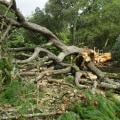
Hurricanes and tornadoes bring extremely high winds that can uproot trees or break branches. The force of the wind can cause significant damage, especially to older or weakened trees. It is essential to assess the structural integrity of trees in areas prone to these storms. Regular pruning can help remove weak branches that are more likely to break during high winds.Heavy Snow
Heavy snowfall can lead to increased snow load on tree branches, which may cause them to bend or break.Trees with dense canopies are particularly vulnerable, as the weight of the snow can accumulate quickly. To mitigate this risk, it is advisable to gently shake off excess snow from branches after a heavy snowfall, provided it is safe to do so.
Flooding
Flooding poses another significant threat to tree health. Prolonged exposure to standing water can suffocate roots, leading to root rot and other diseases. Trees in flood-prone areas should be monitored closely, and if flooding occurs, it is important to assess the tree's condition afterward.Implementing proper drainage solutions in landscaping can help reduce the risk of flooding around trees. In summary, each type of severe weather presents unique challenges for tree safety. By understanding these impacts and taking proactive measures, tree owners can better protect their trees from potential damage.
Pre-emptive Measures for Tree Safety
To ensure tree safety during severe weather conditions, homeowners should adopt a series of proactive measures aimed at maintaining the health and resilience of their trees. These measures not only prepare trees for potential storms but also enhance their overall longevity.- Regular Tree Inspections: Conducting routine inspections is crucial. Look for signs of disease, pest infestations, or structural weaknesses.
Early detection can prevent larger issues that may compromise the tree's integrity.
- Proper Pruning: Pruning is essential for maintaining a tree's shape and removing dead or weak branches that could become hazardous during storms. Focus on:
- Removing dead or diseased branches
- Thinning out dense canopies to reduce wind resistance
- Ensuring proper clearance from structures
- Root Health Maintenance: A strong root system is vital for tree stability. To promote root health:
- Avoid compacting soil around the base of the tree
- Water adequately, especially during dry spells
- Apply mulch to retain moisture and regulate soil temperature
- Species Selection: When planting new trees, consider species that are known for their resilience in your local climate. Native species often have better adaptations to local weather conditions.
- Consulting Professionals: For larger trees or those with significant issues, it’s wise to consult an arborist.
They can provide expert advice on tree maintenance, including advanced pruning techniques and health assessments.
Emergency Preparedness for Trees
When severe weather is on the horizon, taking proactive steps for emergency tree care can significantly reduce the risk of damage to your trees and property. Here are some essential measures to consider:- Assess Tree Health: Before a storm hits, inspect your trees for any signs of weakness, such as dead branches, cracks, or disease. Trees that are already compromised are more likely to suffer during severe weather.
- Prune Wisely: Proper pruning can help strengthen trees by removing dead or overextended branches that could break off in high winds. However, avoid heavy pruning right before a storm, as this can stress the tree.
- Secure Young Trees: For younger or newly planted trees, use stakes to provide additional support.
Ensure that the stakes are not too tight, allowing for some movement which helps develop a stronger root system.
- Remove Hazards: Clear away any potential hazards around your trees, such as loose branches or debris that could become projectiles in strong winds. This also includes securing outdoor furniture and other items that could be blown into trees.
- Consider Tree Location: If you have the option, consider relocating vulnerable trees away from structures or power lines. Trees planted too close to buildings are at a higher risk of causing damage during storms.
After the storm passes, conduct a thorough inspection of your trees to assess any damage and determine if professional help is needed for cleanup or further care.By implementing these protective measures, you can enhance the resilience of your trees against severe weather and ensure their safety for years to come.
Post-Storm Assessment and Recovery for Trees
After a severe storm, assessing the condition of your trees is crucial for their health restoration and overall safety. Begin by inspecting your trees for visible signs of damage.Damage Assessment
Look for the following indicators:- Bark Damage: Check for cracks, splits, or missing bark. These can expose the tree to pests and diseases.
- Broken Branches: Identify any branches that are partially or completely broken.
These can pose a risk of falling.
- Leaning Trees: If a tree has shifted from its original position, it may be at risk of uprooting.
- Root Damage: Examine the root zone for exposed roots or soil displacement.
Recovery Tips
Once you have assessed the damage, follow these recovery tips to help your trees:- Prune Wisely: Remove broken branches and any that pose a hazard. Use clean cuts to prevent further injury.
- Avoid Topping: Do not top trees as this can lead to more problems in the long run. Instead, focus on proper pruning techniques.
- Watering: Ensure your trees receive adequate water, especially if they are stressed.
Deep watering is preferable to encourage root growth.
- Pest Management: Monitor for pests that may take advantage of damaged trees. Implement pest control measures as needed.
Common FAQs About Tree Safety During Severe Weather
When it comes to tree safety during severe weather, many homeowners have questions about how to protect their trees and property. Here are some common FAQs that can help clarify important aspects of tree care in stormy conditions.What should I do before a storm hits?
- Inspect your trees: Look for any signs of damage, such as broken branches or decay.
Trees that are already compromised are more likely to fail during severe weather.
- Prune dead or weak branches: Trimming back these branches can reduce the risk of them breaking off and causing damage during high winds.
- Clear debris: Remove any loose items from your yard that could become projectiles in strong winds, such as patio furniture or garden tools.
How can I tell if my tree is at risk during a storm?
- Check for structural issues: Trees with multiple trunks or those that lean significantly may be more susceptible to falling.
- Look for root problems: If the roots are exposed or the soil around the tree is eroding, this can indicate instability.
What should I do after a storm?
- Assess damage: After the storm passes, carefully inspect your trees for any broken branches or signs of uprooting.
- Consult a professional: If you notice significant damage, it’s best to contact an arborist who can evaluate the tree's health and recommend appropriate actions.
Conclusion: Key Takeaways on Tree Safety in Severe Weather
In conclusion, ensuring tree safety during severe weather conditions is crucial for protecting both your property and the surrounding environment. By implementing the right measures, you can significantly reduce the risk of damage caused by high winds, heavy snow, or ice accumulation. Here are the key takeaways to remember:- Regular Inspections: Conduct routine checks on your trees to identify any signs of weakness or disease. Look for dead branches, cracks, or leaning trunks that may pose a risk during storms.
- Proper Pruning: Engage in regular pruning to remove dead or overgrown branches.
This not only promotes healthy growth but also minimizes wind resistance.
- Root Stability: Ensure that trees have a strong root system. Consider soil aeration and mulching to enhance root health and stability.
- Strategic Planting: When planting new trees, choose species that are well-suited to your local climate and soil conditions. Avoid placing them too close to structures or power lines.
- Emergency Preparedness: Have a plan in place for severe weather events. This includes knowing which trees are most vulnerable and having a professional tree service on speed dial for emergencies.
Remember, investing time in tree safety today can prevent costly damages and ensure the longevity of your landscape tomorrow.