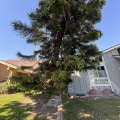
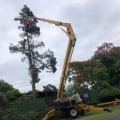
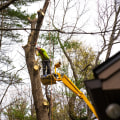
Maintaining proper clearance between trees and electrical lines is essential for ensuring safety, preventing outages, and protecting property. Overgrown branches can come into contact with power lines, creating serious hazards such as electrical fires, power disruptions, and potential injury. Trees that are not regularly maintained can also become unstable, especially during storms, increasing the likelihood of branches breaking and falling onto electrical infrastructure. By understanding the importance of tree safety techniques, homeowners can take proactive steps to reduce risks and maintain a secure outdoor environment.
Safe Pruning Practices for Electrical Line Clearance
One of the most effective ways to maintain safe clearance is through proper tree pruning. Strategic trimming helps keep branches at a safe distance from power lines while preserving the overall health and structure of the tree. Arborists typically follow industry standards that specify minimum clearance distances based on the type of electrical line and tree species. It is important to avoid excessive cutting, as improper pruning can weaken trees and make them more susceptible to disease or breakage. In many cases, homeowners seek professional help by searching for services like "electrician near me" or arborists to ensure that work near electrical lines is handled safely and in compliance with local regulations.
Preventing Hazards Through Proactive Tree Management
Proactive tree management goes beyond occasional trimming and involves regular inspections and maintenance. Identifying early signs of overgrowth, decay, or structural weakness allows homeowners to address potential hazards before they become serious problems. Removing dead or diseased branches reduces the risk of them falling onto power lines, while thinning dense canopies improves wind resistance. Additionally, planting trees at appropriate distances from electrical infrastructure is a key preventative measure that minimizes future conflicts. By planning ahead and maintaining trees consistently, homeowners can significantly reduce the likelihood of electrical hazards.
Coordinating Tree Care with Electrical Maintenance
Coordinating tree care with electrical system maintenance enhances both safety and efficiency. Scheduling pruning activities alongside electrical inspections ensures that all potential risks are addressed at the same time. This approach allows professionals to identify issues such as branches interfering with outdoor lighting or obstructing access to electrical panels. By aligning these services, homeowners can streamline maintenance efforts and avoid repeated disruptions. It also provides an opportunity to ensure that all work is performed safely, particularly when dealing with high-voltage lines or complex electrical systems.
Long-Term Benefits of Maintaining Proper Clearance
Maintaining proper clearance between trees and electrical lines offers significant long-term benefits. It reduces the risk of unexpected outages, minimizes the need for emergency repairs, and helps extend the lifespan of both trees and electrical infrastructure. Well-maintained trees are healthier, more stable, and less likely to cause damage during severe weather conditions. At the same time, clear and accessible electrical lines ensure reliable power distribution and improved system performance. By adopting consistent tree safety techniques, homeowners can create a balanced outdoor environment that supports both natural growth and essential utilities, ensuring safety and reliability for years to come.