When it comes to tree safety, understanding the health of your trees is paramount. Healthy trees not only enhance the beauty of your landscape but also play a crucial role in maintaining ecological balance. They provide shade, improve air quality, and support local wildlife. However, when trees become diseased or infested with pests, they can pose significant risks to both property and public safety.
Recognizing the signs of tree distress early can prevent potential hazards and costly damage. Maintaining tree health is essential for ensuring their longevity and resilience against diseases and pests. Regular inspections and proper care practices, such as adequate watering, mulching, and pruning, can significantly reduce the likelihood of infestations. Moreover, understanding the specific needs of different tree species allows homeowners and caretakers to implement effective tree care basics that promote robust growth and vitality. In this article, we will explore what steps to take if you suspect a tree is diseased or infested with pests. By prioritizing tree safety, you not only protect your investment but also contribute to a healthier environment for future generations.
Let's delve into the critical aspects of identifying tree issues and the best practices for maintaining their health.
Signs of a Diseased or Infested Tree
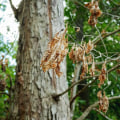
Identifying the signs of a diseased or infested tree is crucial for maintaining tree safety and ensuring the health of your landscape. Early detection can prevent further damage and protect surrounding plants. Here are some common symptoms to watch for:- Discoloration of Leaves: Yellowing, browning, or premature leaf drop can indicate stress or disease.
- Wilting or Curling Leaves: Leaves that appear wilted or curled may suggest a pest infestation or disease affecting the tree's vascular system.
- Unusual Growths: Look for galls, cankers, or fungal growths on the bark, which can signal infection.
- Bark Damage: Cracks, peeling, or holes in the bark may indicate pest activity or disease.
- Excessive Sap Production: Trees that produce an unusual amount of sap could be responding to stress from pests or disease.
- Dead Branches: If you notice dead branches or areas of dieback, it may be a sign of a more serious issue.
- Aphids: Small, soft-bodied insects that can cause leaf curling and stunted growth.
- Borers: Insects that tunnel into the wood, often leaving small holes and sawdust.
- Scale Insects: These pests appear as small bumps on branches and leaves and can weaken the tree significantly.
Consult with a certified arborist who can provide a thorough assessment and recommend appropriate treatment options. Remember, early intervention is key to preserving your tree's health and ensuring tree safety.
Immediate Actions to Take Upon Suspecting Tree Issues
If you suspect that your tree is diseased or infested with pests, taking immediate action is crucial for the health of the tree and the safety of your property. Here are some steps you can follow:- Assess the Situation: Begin by closely examining the tree for any visible signs of disease or infestation. Look for discolored leaves, unusual growths, or signs of insects such as holes in the bark or webbing.
- Isolate the Tree: If you notice any signs of infestation, it’s important to isolate the affected tree from other plants.
This can help prevent the spread of pests or diseases to healthy trees and shrubs in your yard.
- Document Your Findings: Take photos and notes about the symptoms you observe. This documentation can be helpful when consulting with a professional arborist.
- Research Potential Issues: Use reliable resources to identify potential diseases or pests that match the symptoms you’ve observed. Understanding what you’re dealing with can guide your next steps.
- Contact a Professional: If you’re unsure about the diagnosis or how to proceed, it’s best to consult a certified arborist. They can provide expert advice and recommend appropriate treatments.
- Avoid DIY Treatments: While it may be tempting to try home remedies, improper treatment can worsen the situation.
Always seek professional guidance before applying any chemicals or treatments.
Assessing the Severity of the Problem
When you suspect that a tree may be diseased or infested with pests, the first step is to assess the severity of the problem. This evaluation will help you determine whether you can manage the situation independently or if it’s time to call in a professional.Signs of Tree Health Issues
- Discoloration of Leaves: Yellowing or browning leaves can indicate stress, nutrient deficiencies, or disease.
- Wilting or Dropping Leaves: If leaves are wilting or falling prematurely, it may signal a serious issue.
- Visible Pests: Look for insects on the bark, leaves, or soil around the tree.
Common pests include aphids, beetles, and caterpillars.
- Bark Damage: Cracks, holes, or peeling bark can suggest infestation or disease.
- Mushrooms or Fungi: The presence of fungi at the base of the tree may indicate root rot or decay.
Evaluating Severity
To evaluate how serious the issue is, consider the following:
- Extent of Damage: Is the damage localized to a few branches, or is it widespread? Localized issues may be manageable with pruning and treatment.
- Tree Species: Some species are more resilient than others. Understanding your tree's specific vulnerabilities can guide your response.
- Timeframe: How long have you noticed these symptoms? Rapid deterioration often requires immediate action.
Regular monitoring and early intervention can prevent more severe problems down the line.
Common Tree Diseases and Pests: Identification and Treatment Options
Identifying common tree diseases and pests is crucial for maintaining tree safety and ensuring the health of your landscape. Here are some prevalent issues you may encounter:- Powdery Mildew: This fungal disease appears as a white, powdery substance on leaves. It thrives in warm, dry conditions. To treat it, apply fungicides and ensure proper air circulation around the tree.
- Root Rot: Caused by overwatering or poor drainage, root rot leads to yellowing leaves and stunted growth.
To combat this, improve drainage and consider using fungicides specifically designed for root rot.
- Oak Wilt: A serious disease affecting oak trees, oak wilt causes rapid leaf drop and can kill trees within weeks. If you suspect oak wilt, consult a professional arborist for treatment options, which may include removing infected trees to prevent spread.
- Aphids: These small insects suck sap from leaves, leading to curling and yellowing. Control aphid populations with insecticidal soap or by introducing natural predators like ladybugs.
- Emerald Ash Borer: This invasive pest targets ash trees, causing significant damage. Look for D-shaped exit holes in the bark and canopy dieback.
Treatment options include systemic insecticides or removing infested trees.
Preventative Measures for Tree Health and Safety
Maintaining the health and safety of your trees is essential for both aesthetic and environmental reasons. Implementing preventative measures can significantly reduce the risk of disease and pest infestations.Here are some effective strategies to ensure your trees remain healthy:
- Regular Inspections: Conduct routine checks on your trees for any signs of distress, such as discolored leaves, unusual growths, or insect activity. Early detection is key to preventing more severe issues.
- Proper Pruning: Prune your trees during the appropriate season to remove dead or diseased branches. This not only improves air circulation but also allows sunlight to reach the inner parts of the tree, promoting overall health.
- Watering Wisely: Ensure your trees receive adequate water, especially during dry spells. However, avoid overwatering, as this can lead to root rot and other moisture-related diseases.
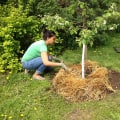
- Mulching: Apply a layer of organic mulch around the base of your trees.
This helps retain soil moisture, suppress weeds, and regulate soil temperature, creating a healthier environment for root growth.
- Soil Health: Test your soil periodically to check for nutrient deficiencies or pH imbalances. Amend the soil as needed with organic fertilizers or compost to promote robust tree growth.
- Pest Management: Use integrated pest management (IPM) techniques to control pests. This includes introducing beneficial insects, using traps, and applying organic pesticides when necessary.
When to Call a Professional Arborist
Identifying a diseased or infested tree can be challenging, and knowing when to call a professional arborist is crucial for maintaining tree safety.Here are some key indicators that suggest it’s time to seek expert help:
- Visible Symptoms: If you notice unusual signs such as discolored leaves, premature leaf drop, or abnormal growth patterns, these could indicate underlying issues that require professional assessment.
- Pest Infestation: The presence of pests like bark beetles, aphids, or caterpillars can severely impact tree health. If you see a significant number of pests or signs of damage, an arborist can provide effective treatment options.
- Structural Concerns: Trees that exhibit cracks in the trunk, leaning significantly, or have large dead branches pose safety risks. An arborist can evaluate the structural integrity and recommend necessary actions.
- Uncertain Diagnosis: If you’re unsure about the health of your tree or the type of pest affecting it, consulting a tree care professional can provide clarity and peace of mind.
- Invasive Species: If your tree is threatened by invasive species that are difficult to manage without expertise, an arborist can implement strategies to mitigate the impact.
Their expertise in tree care is invaluable in maintaining the health and safety of your landscape.
Frequently Asked Questions About Tree Safety and Health
When it comes to tree safety and health, many homeowners have questions about how to identify and manage potential issues. Here are some frequently asked questions that can help clarify common concerns.What are the signs of a diseased tree?
Identifying a diseased tree early can prevent further damage. Look for:- Discoloration of leaves or bark
- Wilting or premature leaf drop
- Unusual growths, such as galls or fungi
- Cracks in the trunk or branches
- Insect activity, such as holes in the bark or visible pests
How can I tell if my tree is infested with pests?
Pest infestations can severely impact tree health. Signs include:- Visible insects on leaves, branches, or the trunk
- Sawdust-like material at the base of the tree, indicating wood-boring insects
- Sticky residue on leaves, which may indicate aphid infestations
- Webbing or nests in the foliage, often a sign of spider mites or caterpillars
What should I do if I suspect my tree is diseased or infested?
If you suspect your tree is suffering from disease or pest infestation, consider the following steps:- Assess the situation: Take note of symptoms and their severity.
- Consult an arborist: A professional can provide a proper diagnosis and treatment options.
- Avoid DIY treatments: Many over-the-counter solutions can do more harm than good.
- Monitor nearby trees: Pests can spread quickly; keep an eye on other trees in your yard.
- Practice good maintenance: Regular pruning and proper watering can enhance tree resilience.
Conclusion: Ensuring Tree Safety Through Vigilance and Care
In conclusion, maintaining tree safety is a critical responsibility for any property owner.By being vigilant and proactive, you can significantly reduce the risks associated with diseased or pest-infested trees. Regular inspections and awareness of the signs of distress are essential first steps in ensuring the health of your trees. When you suspect a tree may be suffering from disease or pest infestation, it is crucial to take immediate action. Here are some key takeaways to remember:
- Monitor your trees regularly: Look for signs such as discolored leaves, unusual growths, or bark damage.
- Consult with professionals: If you notice any concerning symptoms, reach out to an arborist or tree care expert for a thorough evaluation.
- Implement preventive measures: Proper watering, mulching, and fertilization can strengthen tree health and resilience against pests.
- Act swiftly: If a tree is confirmed to be diseased or infested, timely removal or treatment can prevent further spread to healthy trees.
Remember, a healthy tree is not just an asset; it’s a vital part of our ecosystem.