When it comes to maintaining a safe environment, tree safety is often overlooked, yet it plays a crucial role in protecting both people and property. Trees, while beautiful and beneficial to our ecosystem, can pose significant hazards if not properly managed. Understanding the potential tree hazards is essential for homeowners, landscapers, and anyone who enjoys the outdoors. From falling branches to root damage, the risks associated with trees can lead to serious injuries or costly property damage. One of the most common risks involves tree maintenance.
Neglecting regular inspections and care can result in weakened structures that are more susceptible to storms and pests. For instance, dead or dying branches can easily break off during high winds, posing a threat to anyone nearby. Additionally, trees that are too close to power lines can create dangerous situations, leading to outages or even fires. Awareness of these risks is the first step in ensuring safety. Moreover, understanding the signs of tree distress—such as cracks in the trunk, fungal growth at the base, or excessive leaning—can help mitigate potential dangers before they escalate.
By prioritizing tree safety, individuals can take proactive measures to protect their homes and communities. Regular assessments and timely interventions not only enhance the beauty of our landscapes but also significantly reduce the likelihood of accidents related to tree hazards.
Common Safety Hazards Associated with Trees
When it comes to tree safety, understanding the common hazards associated with trees is essential for preventing accidents and ensuring a safe environment. Here are some of the most prevalent safety risks linked to trees:- Falling Branches: One of the most significant hazards is the risk of falling branches, often referred to as limb drop. This can occur due to various factors such as high winds, heavy rain, or the natural aging process of the tree.
Regular inspections can help identify weak or dead branches that may pose a threat.
- Unstable Trees: Trees that are leaning or have visible signs of decay can be unstable and may fall unexpectedly. Factors contributing to instability include root damage, soil erosion, or disease. It’s crucial to monitor these trees closely and consider professional evaluation if they pose a risk.
- Proximity to Power Lines: Trees that grow too close to power lines can create serious hazards. During storms or high winds, branches may come into contact with power lines, leading to power outages or electrical fires.
Maintaining a safe distance between trees and power lines is vital for tree safety.
- Pests and Diseases: Infestations from pests like bark beetles or diseases such as oak wilt can weaken trees, making them more susceptible to falling. Regular health assessments can help detect these issues early on.
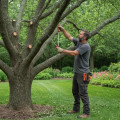
- Improper Pruning: DIY tree trimming can lead to injuries if not done correctly. Improper pruning techniques can also harm the tree, making it more vulnerable to hazards. It’s advisable to hire certified arborists for any significant tree maintenance.
Regular maintenance and professional assessments are key components in ensuring a safe environment for both people and property.
Falling Branches and Limbs: Causes and Prevention
Falling branches and limbs pose significant risks to both people and property, making tree safety a critical concern for homeowners and landowners alike. Understanding the causes of these hazards is essential for effective prevention.Causes of Falling Branches
- Weather Conditions: Severe weather events, such as storms, high winds, and heavy snowfall, can weaken tree limbs and lead to breakage. Trees that are already stressed due to drought or disease are particularly vulnerable during these conditions.
- Tree Health: Trees suffering from diseases or pest infestations may have compromised structural integrity. Signs of decay, such as dead branches or fungal growth, can indicate that a tree is at risk of losing limbs.
- Improper Pruning: Poor pruning techniques can create weak points in branches, making them more susceptible to breaking.
It’s crucial to follow proper tree pruning safety guidelines to maintain the health and stability of trees.
Prevention Tips
- Regular Inspections: Conduct routine inspections of your trees, especially after severe weather. Look for signs of damage, decay, or disease.
- Professional Pruning: Hire a certified arborist for tree pruning. They can safely remove dead or weak branches and ensure that healthy limbs are properly maintained.
- Tree Maintenance: Ensure your trees receive adequate water and nutrients. Healthy trees are less likely to suffer from limb failure.
- Avoid Planting Near Structures: When planting new trees, consider their mature size and avoid placing them too close to buildings or power lines to minimize risks associated with falling branches.
Unstable Trees: Identifying Risks
Identifying unstable trees is crucial for ensuring safety in any environment, especially in residential areas and public spaces.Several factors can contribute to a tree's instability, and recognizing these signs early can prevent potential accidents.One of the primary indicators of an unstable tree is a noticeable lean. Trees that lean significantly to one side may be at risk of falling, particularly during storms or high winds. It’s essential to assess the direction of the lean; if it’s towards structures or high-traffic areas, immediate action should be taken.Another critical factor to consider is the condition of the roots. Healthy roots anchor a tree firmly in the ground, but various issues can compromise this stability:
- Soil erosion: If soil around the base of the tree has eroded, it can expose roots and reduce stability.
- Root rot: Fungal infections can weaken roots, making them less effective at supporting the tree.
- Compacted soil: Soil that is too compacted can restrict root growth and water absorption, leading to instability.
Cracks, splits, or large cavities can indicate internal damage that compromises structural integrity. Trees with extensive deadwood or those that have lost significant foliage may also be at risk.Regular inspections by a certified arborist can help identify these risks before they lead to hazardous situations. By understanding the signs of unstable trees, property owners can take proactive measures to ensure safety and maintain healthy landscapes.
Tree Proximity to Power Lines: Dangers and Solutions
Trees that grow too close to power lines pose significant electrical hazards that can lead to dangerous situations for both people and property. When branches come into contact with power lines, they can cause power outages, electrical fires, and even electrocution.Understanding the risks associated with trees near power lines is crucial for maintaining safety in residential and commercial areas.One of the primary dangers is the potential for arcing, which occurs when electricity jumps from a power line to a nearby tree branch. This can ignite a fire in the tree or surrounding vegetation, leading to extensive damage. Additionally, during storms or high winds, weakened branches may break off and fall onto power lines, causing outages or hazardous situations.
Preventive Measures
To mitigate these risks, it is essential to implement proper management strategies:- Regular Inspections: Conduct routine inspections of trees near power lines to identify any potential hazards. Look for branches that are too close to the lines or signs of disease that could weaken the tree.
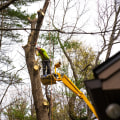
- Professional Tree Trimming: Hire certified arborists to perform tree trimming near power lines.
They have the expertise and tools necessary to safely prune trees while adhering to local regulations.
- Planting Guidelines: When planting new trees, choose species that will not grow tall enough to interfere with power lines. Consult local guidelines for recommended planting distances.
- Clear Communication: Work with your local utility company to understand their policies regarding tree maintenance and safety. They often have programs in place for managing trees near power lines.
Pests and Diseases: Impact on Tree Safety
Tree safety is significantly compromised by pests and diseases, which can weaken the structural integrity of trees. When trees are infested or infected, they become more vulnerable to environmental stresses, increasing the risk of falling or breaking.Pests
such as bark beetles, aphids, and caterpillars can cause extensive damage by feeding on leaves, bark, and roots.
This feeding can lead to:
- Reduced photosynthesis: A tree with damaged leaves cannot produce enough energy, leading to overall decline.
- Weakened branches: Infestations can create hollow spaces in the wood, making branches more likely to snap during storms.
- Increased susceptibility: Stressed trees are more prone to secondary infections and infestations.
Diseases
, such as root rot and powdery mildew, also pose serious threats. These conditions can:
- Compromise root systems: Diseases that affect roots can lead to instability, making it easier for trees to topple over.
- Cause dieback: As branches die off due to disease, the tree's weight distribution changes, increasing the risk of breakage.
- Spread rapidly: Many tree diseases can spread quickly through spores or root contact, affecting multiple trees in a single area.
- Implementing pest control strategies: This may include using insecticides or introducing natural predators.
- Removing infected trees: In some cases, it may be necessary to remove a diseased tree to protect surrounding vegetation.
- Consulting with arborists: Professional assessments can provide insights into the health of trees and recommend appropriate treatments.
Weather-Related Hazards: Storms and High Winds
Severe weather conditions, particularly storms and high winds, can pose significant risks to both trees and surrounding properties.Understanding these hazards is crucial for ensuring tree safety and minimizing potential damage.
Storm Damage to Trees
- Wind Throw: High winds can uproot trees, especially those with shallow root systems or compromised stability. This can lead to fallen trees that may damage homes, vehicles, or power lines.
- Branch Failure: During storms, heavy winds can break branches, which may fall and cause injury or property damage. Trees with dead or diseased branches are particularly vulnerable.
- Tree Toppling: Trees that are leaning or have structural weaknesses are at a higher risk of toppling over in strong gusts.
Preparing for Storms
- Regular Inspections: Conduct routine checks of your trees for signs of disease, decay, or structural issues. Look for cracks in the trunk, dead branches, or leaning trees.
- Pruning: Properly prune trees to remove weak branches and improve overall structure.
This can help reduce wind resistance and the likelihood of branch failure during storms.
- Professional Assessment: Consider hiring an arborist to evaluate the health and stability of your trees, especially if you live in an area prone to severe weather.
Post-Storm Safety Tips
- Avoid Hazardous Areas: After a storm, stay clear of downed power lines and damaged trees. Report any hazards to local authorities.
- Assess Damage Carefully: If you suspect your tree has been damaged, consult a professional before attempting any cleanup or removal.
- Document Damage: Take photos of any damage for insurance purposes if necessary.
Safety Measures for Tree Maintenance
Maintaining tree safety is crucial for preventing accidents and ensuring the health of your trees. Proper tree maintenance involves regular inspections, appropriate pruning techniques, and knowing when to seek professional help.Pruning Tips for Safe Tree Maintenance
Pruning is an essential aspect of tree care that promotes healthy growth and reduces hazards.Here are some key tips for safe pruning:
- Use the Right Tools: Always use sharp, clean tools to make precise cuts. This minimizes damage to the tree and reduces the risk of injury.
- Know When to Prune: The best time to prune most trees is during their dormant season, typically late winter or early spring. This helps prevent stress and encourages new growth.
- Follow the 1/3 Rule: Avoid removing more than one-third of a tree's canopy in a single season. Over-pruning can weaken the tree and make it more susceptible to disease.
- Cut at the Right Angle: Make cuts at a 45-degree angle to promote water runoff and reduce the risk of rot.
When to Hire Professionals
While some tree maintenance tasks can be performed by homeowners, certain situations require professional expertise:- Large Trees: If you have large trees that pose a risk of falling or are too high to reach safely, it’s best to hire a certified arborist.
- Tree Health Issues: If you notice signs of disease or pest infestations, professionals can diagnose and treat these issues effectively.
- Complex Pruning Needs: Trees that require intricate pruning or shaping should be handled by experts who understand proper techniques.
Regular maintenance not only enhances the beauty of your landscape but also mitigates potential hazards associated with trees.
FAQs About Tree Safety Hazards
When it comes to tree safety, many homeowners and property managers have questions about potential hazards and how to mitigate them. Here are some frequently asked questions regarding tree safety hazards:- What are the most common tree safety hazards?
The most common hazards include falling branches, uprooted trees, and trees that are too close to power lines. Additionally, dead or dying trees pose significant risks as they can collapse unexpectedly. - How can I identify a hazardous tree?
Look for signs such as cracks in the trunk, dead branches, or fungal growth at the base. If a tree leans significantly or has exposed roots, it may also be at risk of falling. - What should I do if I suspect a tree is hazardous?
It’s best to consult with a certified arborist who can assess the tree's condition and recommend appropriate actions, such as pruning or removal. - Are there specific times of year when tree hazards are more likely?
Yes, during severe weather events like storms or heavy snowfall, trees are more susceptible to damage.Regular inspections before and after such events can help identify potential issues.
- How can I maintain tree safety on my property?
Regular maintenance is key. This includes pruning dead branches, ensuring proper spacing between trees, and monitoring for pests and diseases that could weaken the tree structure.
Conclusion: Key Takeaways on Tree Safety Hazards
In conclusion, understanding tree safety hazards is crucial for both property owners and the general public. Trees, while beautiful and beneficial to the environment, can pose significant risks if not properly managed.Here are the key takeaways regarding tree safety hazards:
- Falling Branches: Dead or diseased branches can fall unexpectedly, posing a danger to people and property below. Regular inspections can help identify and remove these hazardous limbs.
- Tree Stability: Trees with compromised root systems due to soil erosion, pests, or disease are at risk of toppling over. Ensuring proper care and maintenance can enhance their stability.
- Power Lines: Trees that grow too close to power lines can cause outages or fires. It is essential to maintain a safe distance between trees and electrical infrastructure.
- Insect Infestations: Pests such as bark beetles can weaken trees, making them more susceptible to falling.
Monitoring for signs of infestation is vital for tree health.
- Weather-Related Risks: Severe weather conditions like storms or heavy snowfall can increase the likelihood of tree damage. Preparing for such events by pruning and maintaining trees can mitigate risks.