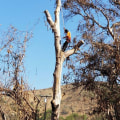
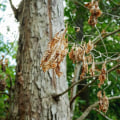
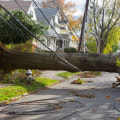
When it comes to ensuring the safety of our beloved pets, understanding tree hazards is crucial. Trees, while often seen as a natural beauty in our landscapes, can pose various dangers that may not be immediately apparent. From falling branches to toxic leaves, the risks associated with trees can significantly impact the health and well-being of our furry friends. Recognizing these potential threats is the first step in safeguarding your pets from harm. There are several types of tree dangers that pet owners should be aware of.
For instance, large branches can break off during storms or high winds, creating a serious risk of injury to pets who may be playing or resting beneath them. Additionally, certain tree species, such as the black walnut and cherry trees, produce substances that are toxic to animals if ingested. Even seemingly harmless trees can harbor pests like ticks and fleas, which can lead to further health issues for your pets. Moreover, the roots of some trees can create uneven ground or hidden tripping hazards in your yard. This is particularly concerning for older pets or those with mobility issues.
By understanding these various tree hazards, pet owners can take proactive measures to create a safer environment for their animals. In the following sections, we will explore practical strategies to mitigate these risks and ensure that your outdoor spaces remain safe havens for your pets.
Identifying Dangerous Trees in Your Yard
When it comes to tree safety for your pets, the first step is to identify any potentially dangerous trees in your yard. Certain species of trees are more prone to hazards, and recognizing the signs of decay or instability can help you protect your furry friends.Signs of Hazardous Trees
- Dead or Dying Branches: Look for branches that are brittle, broken, or completely dead. These can fall unexpectedly and pose a serious risk to your pets.
- Cracks or Splits: Inspect the trunk for any visible cracks or splits.
These can indicate structural weakness and may lead to the tree falling.
- Fungal Growth: The presence of mushrooms or other fungi at the base of a tree can signal decay. This is often a sign that the tree is compromised and may not be safe.
- Leaning Trees: If a tree appears to be leaning significantly, it may be unstable. This could be due to root damage or soil erosion, both of which can lead to a fall.
- Root Damage: Exposed roots or roots that are visibly damaged can affect a tree's stability. Check for any signs of upheaval in the soil around the base.
Common Dangerous Tree Species
Certain types of trees are known for their potential hazards.
For example:
- Pine Trees: While beautiful, they can drop heavy branches and have shallow root systems.
- Willow Trees: Known for their weak wood, willows can easily break during storms.
- Eucalyptus Trees: These trees are prone to shedding branches and can be highly flammable.
Preventive Measures for Tree Safety
Ensuring tree safety is crucial for the well-being of your pets. By implementing a few preventive measures, you can significantly reduce the risks associated with tree hazards. Here are some effective strategies:- Regular Inspections: Schedule routine inspections of your trees, especially after severe weather events.
Look for signs of damage such as cracks, dead branches, or leaning trunks that could pose a threat to your pets.
- Tree Maintenance: Engage a professional arborist to perform necessary maintenance tasks, including pruning dead or overhanging branches. This not only enhances the health of the tree but also minimizes potential hazards.
- Safe Planting Practices: When planting new trees, choose species that are less likely to cause harm. Avoid planting near fences or play areas where pets frequently roam.
- Mulching and Ground Cover: Use mulch around the base of trees to prevent soil erosion and discourage pests that may harm your pets. Ensure that any ground cover is non-toxic and safe for animals.
- Fencing and Barriers: Consider installing fences or barriers around particularly hazardous trees or areas where fallen branches may accumulate.
This can help keep curious pets at a safe distance.
Creating a Safe Outdoor Environment for Pets
Creating a safe outdoor space for pets is essential for their well-being and can significantly reduce the risks associated with tree hazards. Here are some effective strategies to design a pet-friendly environment:- Choose the Right Trees: Opt for non-toxic trees that are safe for pets. Avoid species that produce harmful fruits or nuts, such as black walnuts or certain varieties of oak.
- Regular Maintenance: Keep your trees healthy by regularly trimming branches and removing dead limbs.
This prevents potential falling hazards during storms or high winds.
- Designated Play Areas: Create specific zones in your yard where your pets can play safely. Use fencing to keep them away from areas with overhanging branches or unstable ground.
- Pet-Friendly Landscaping: Incorporate soft ground cover like grass or mulch instead of gravel or rocks, which can be harmful if ingested. Additionally, consider using plants that are safe for pets, such as lavender or marigolds.
- Shade and Shelter: Ensure there are shaded areas where pets can escape the heat. This can be achieved by planting trees strategically or using outdoor structures like pergolas.
Regularly check the area for any fallen branches, nuts, or other debris that could pose a risk. Training your pets to stay away from certain areas can also enhance their safety.By implementing these strategies, you can create a safe outdoor environment that allows your pets to enjoy nature while minimizing potential hazards associated with trees and other natural elements.
Emergency Preparedness: What to Do if a Tree Falls
When it comes to tree safety, being prepared for emergencies is crucial, especially during storms or high winds when trees are more likely to fall. Here’s how you can create an effective emergency plan for your pets.Developing an Emergency Plan
Start by formulating a comprehensive emergency plan that includes your pets. This plan should outline the steps to take if a tree falls on your property or nearby:- Identify Safe Zones: Designate areas in your home where your pets can stay safe during storms.
These should be away from windows and heavy furniture that could fall.
- Emergency Kit: Prepare an emergency kit for your pets that includes food, water, medications, and a first-aid kit. Ensure it’s easily accessible.
- Evacuation Routes: Know the quickest routes to evacuate your home if necessary. Practice these routes with your pets so they are familiar with them.
During a Storm
If a storm is approaching, keep your pets indoors and secure. Monitor weather updates and be ready to act quickly if conditions worsen.Here are some tips:
- Stay Calm: Animals can sense anxiety. Keeping a calm demeanor will help reassure your pets.
- Leash Your Pets: If you need to go outside, always leash your pets to prevent them from running away in panic.
- Provide Comfort: Create a cozy space with their favorite blankets or toys to help them feel secure.
If a Tree Falls
If a tree falls during a storm, assess the situation carefully:- Check for Injuries: Immediately check your pets for any injuries. If they seem hurt, contact a veterinarian as soon as possible.
- Avoid Hazards: Stay away from downed power lines and unstable branches. Ensure your pets do not wander into dangerous areas.
- Contact Emergency Services: If there’s significant damage or danger, call local emergency services for assistance.
Regularly review and practice this plan to keep everyone prepared and safe.
Frequently Asked Questions about Tree Safety and Pets
As a pet owner, you may have several questions regarding tree safety and how it impacts your furry friends. Here are some frequently asked questions that can help you better understand the potential hazards and how to mitigate them.- What types of trees are safe for pets?
While many trees are safe, some can be toxic to pets. For instance, black walnut and cherry trees can be harmful if ingested. Always research specific tree species before planting them in your yard. - How can I tell if a tree is hazardous?
Look for signs of decay, such as cracks in the trunk, dead branches, or fungal growth.If a tree appears unstable or poses a risk of falling, consult a professional arborist.
- Are fallen leaves or fruits dangerous for pets?
Yes, certain fallen leaves and fruits can be toxic. For example, acorns and cherry pits can cause gastrointestinal issues in pets. Keep your yard clean and monitor what your pets consume. - What should I do if my pet is injured by a tree?
If your pet sustains an injury from a tree, such as a cut or bruise, seek veterinary care immediately. Quick action can prevent infections and ensure proper healing. - How can I create a safe outdoor environment for my pets?
Regularly inspect your yard for potential hazards, including unstable trees and toxic plants.Consider fencing off areas with hazardous trees to keep your pets safe.
Conclusion: Key Takeaways on Tree Safety for Pets
In conclusion, ensuring tree safety is crucial for the well-being of your pets. By understanding the potential hazards that trees can pose, you can take proactive measures to protect your furry friends. Here are the key takeaways to keep in mind:- Regular Inspections: Conduct routine checks of your trees for signs of disease, decay, or instability. Early detection can prevent accidents.
- Safe Planting: Choose pet-friendly trees and plants that do not produce toxic fruits or leaves.
Research the species before planting to ensure they are safe for your pets.
- Proper Pruning: Maintain your trees by trimming dead branches and overgrowth. This reduces the risk of falling limbs that could injure your pets.
- Fencing and Barriers: Consider installing fences or barriers around particularly hazardous trees or areas where fallen branches may accumulate.
- Education: Teach your pets to stay away from certain areas, especially during storms or high winds when tree hazards are more likely to occur.